By: Theresa Moses
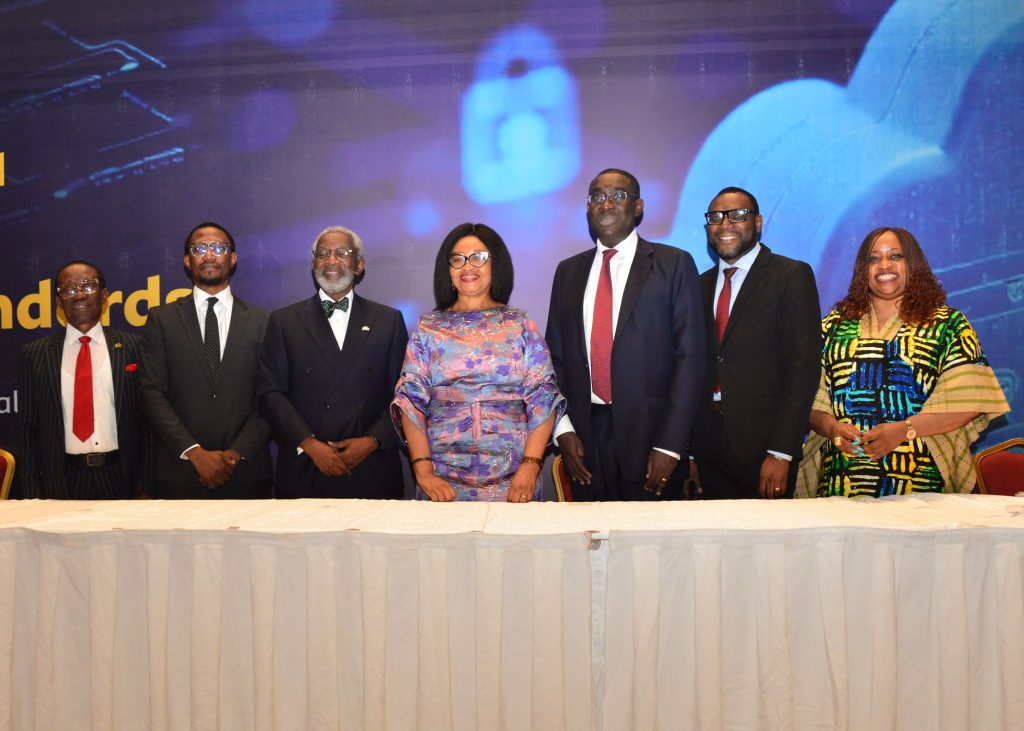
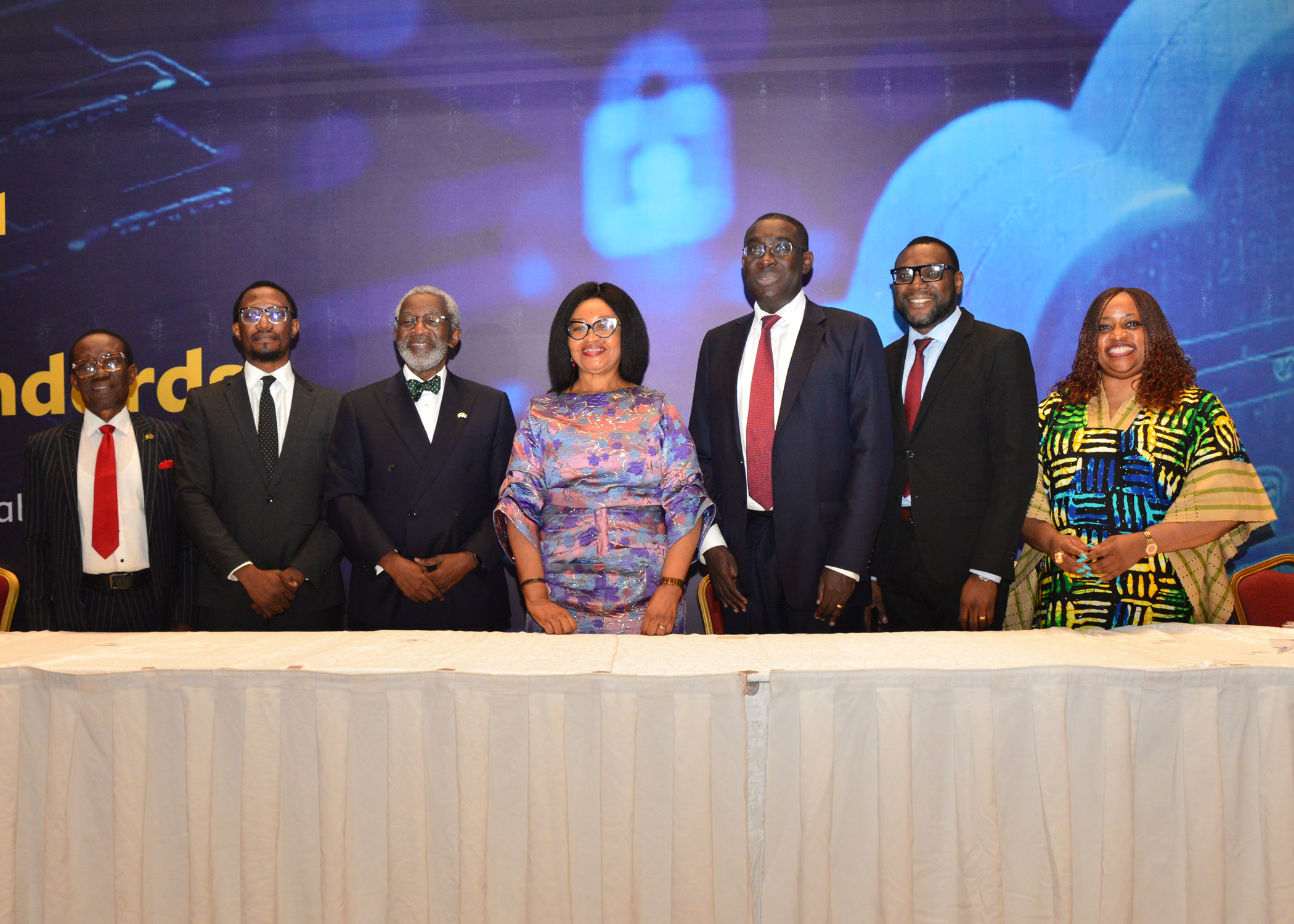
It was more than a breakfast meeting. It was history, diplomacy, and the future all served on one table at the Eko Hotel & Suites, Victoria Island, Lagos, recently, as the Nigeria-South Africa Chamber of Commerce (NSACC) marked its 25th Anniversary.
For a quarter of a century, the Chamber has been a beacon of bilateral cooperation, deepening trade, investment, and cultural ties between two of Africa’s economic giants.
Founded in May 2000, the NSACC has grown from a modest membership of just 15 to over 270 members, cutting across diverse sectors—telecommunications, finance, media, energy, manufacturing, hospitality, and beyond.
This landmark edition of the iconic NSACC Breakfast Forum—a monthly gathering that has consistently had several sessions since inception—was sponsored by MTN Nigeria and themed: “Media as a Bridge in Strengthening Nigeria-South Africa Ties through the MTN Media Innovation Programme.”
A Legacy of Bilateral Impact
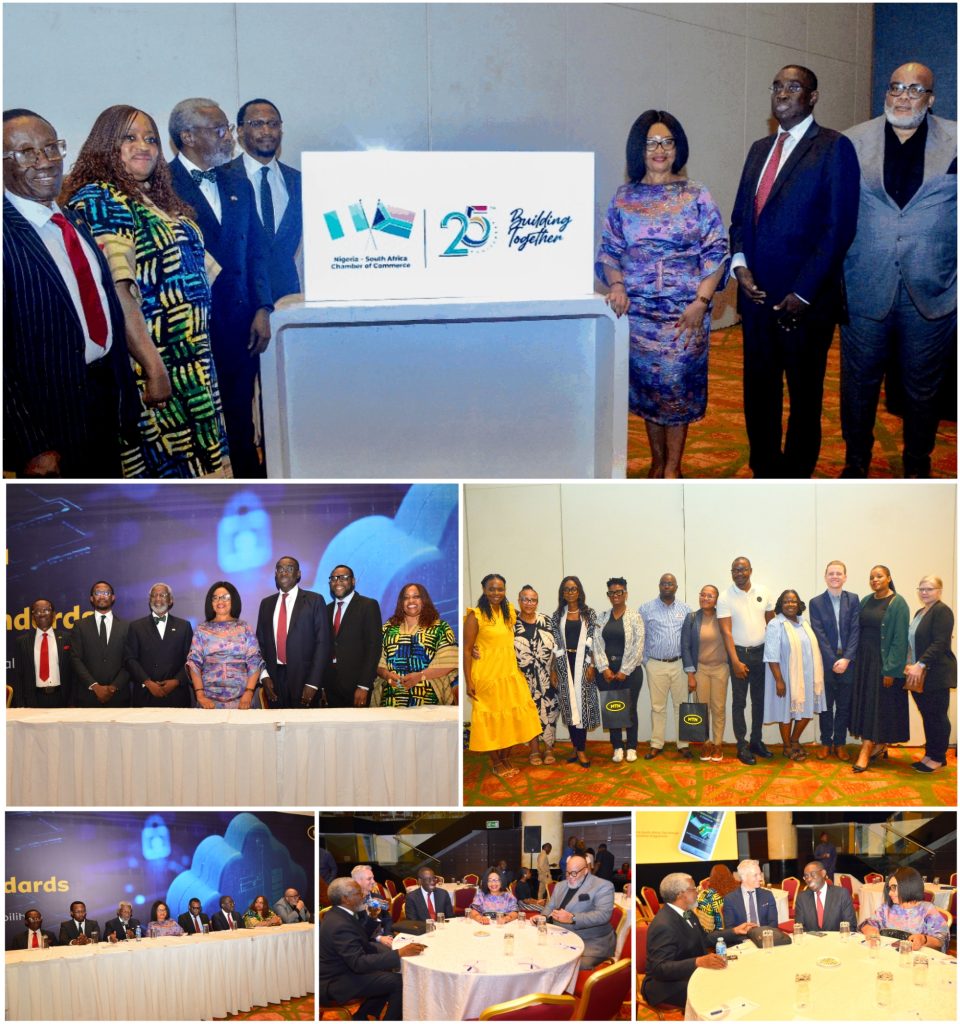
In her welcome remarks, NSACC Chairperson Dr. Ije Jidenma captured the essence of the meeting. Describing the Chamber’s 25-year journey as “one of vision, resilience, and relentless pursuit of stronger ties between Nigeria and South Africa,” she emphasized that the Breakfast Forums have become “iconic platforms” for shaping conversations around trade, diplomacy, and cultural exchange.
“Our mission has always been to promote mutually beneficial partnerships,” Dr. Jidenma noted. “We are not just observers of progress, but architects of it.”
She commended MTN for not only sponsoring the forum but demonstrated “a deep and strategic commitment to innovation, talent development, and continental collaboration.”
The Media as a Catalyst
The highlight of the anniversary forum was the exploration of the media as a bridge between Nigeria and South Africa, spearheaded by MTN’s Media Innovation Programme (MIP) in partnership with the Pan-Atlantic University’s School of Media and Communication.
Delivering a keynote, Tobe Okigbo, Chief Corporate Services and Sustainability Officer of MTN Nigeria, stressed that media plays a crucial role in shaping perceptions, shaping narratives, and driving public discourse.
“The media is not just a platform for communication—it is a powerful vehicle for influence. It can help interpret the complex dynamics of Nigeria-South Africa relations, promote cultural respect, and support business partnerships rooted in trust,” Okigbo said.
Adding an academic perspective, Dr. Ikechukwu Obiaya, Dean of the School of Media and Communication at Pan-Atlantic University, described the MIP as an initiative designed to empower journalists not just as storytellers but as continental connectors.
The panel discussion, moderated by Elizabeth Musa of BusinessDay TV, brought together seasoned voices including Amarachi Ubani (Channels TV), Nifemi Oguntoye (TVC News), Oluwadunsin Sanyo (Bella Naija) and Akinkunmi Obakeye (CNBC Africa). Together, they unpacked the opportunities and challenges of using the media as a tool for deeper collaboration between the two nations.
Diplomatic Realities and Honest Conversations
The gathering was also marked by candid remarks from Prof. Bobby Moroe, Acting High Commissioner of South Africa to Nigeria, who did not shy away from addressing sensitive issues around visas, perceptions of xenophobia, and cultural misunderstandings.
He acknowledged the frustrations Nigerians face in securing South African visas but explained that high application volumes and documentation lapses often fuel delays. Importantly, he challenged the narrative of “xenophobia” being exclusively tied to South Africa, calling it a “media-created nomenclature” that oversimplifies deeper socio-economic realities.
“If we truly want to change the narrative, we must disabuse ourselves of stereotypes. Culture and understanding are key. The more we appreciate each other’s backgrounds—language, food, traditions—the easier it will be to co-exist as partners rather than rivals,” Prof. Moroe said.
His frankness drew applause from attendees, symbolizing the Chamber’s role as a safe space for uncomfortable but necessary conversations.
25 Years of Growth, 25 Years of Influence
Reflecting on its achievements, the Chamber recalled milestones such as:
- Over 100 trade missions and bilateral business forums.
- Advocacy platforms linking private sector voices with governments.
- Supporting the entry of major South African companies into Nigeria, including MTN, Multichoice, and Shoprite.
- Facilitating Nigerian businesses’ expansion into South Africa.
- Sustaining nearly 250 uninterrupted Breakfast Meetings since inception.
With these achievements, NSACC has positioned itself as Africa’s most resilient bilateral chamber of commerce, bridging two powerhouse economies.
Looking Forward: A Continental Vision
In a forward-looking address, the Chamber unveiled its four new strategic pillars:
- Membership Growth and Engagement.
- Brand Visibility and Influence.
- Trade Expansion.
- Advocacy and Policy Impact.
“We have reached a point of inflection,” the leadership declared. “The next 25 years must not just be about Nigeria and South Africa, but about Africa’s place in the global economy. Together, our stories can shape a stronger continent.”
Why It Matters
At 25, NSACC is more than a chamber—it is a living story of continental integration. Its insistence on dialogue, cultural understanding, and business partnerships has set the tone for how Nigeria and South Africa—Africa’s biggest democracies and economies—can rise above rivalry and stereotypes to drive prosperity.
And at the heart of this future lies the media—a bridge not only between Lagos and Johannesburg, but between Africa and the world.
GATMASH NEWS
…News that drives impact.
Contact:
[email protected]
Tel: +234(0)8072022024