
By: Theresa Moses

The Executive Director, Woman of Substance, and Director General of Imo Broadcasting Corporation (IBC), Chief Ify Onyegbule, has condemned entrenched gender discrimination in Nigerian society, stressing that bias against women “begins even before the girl child is born.”
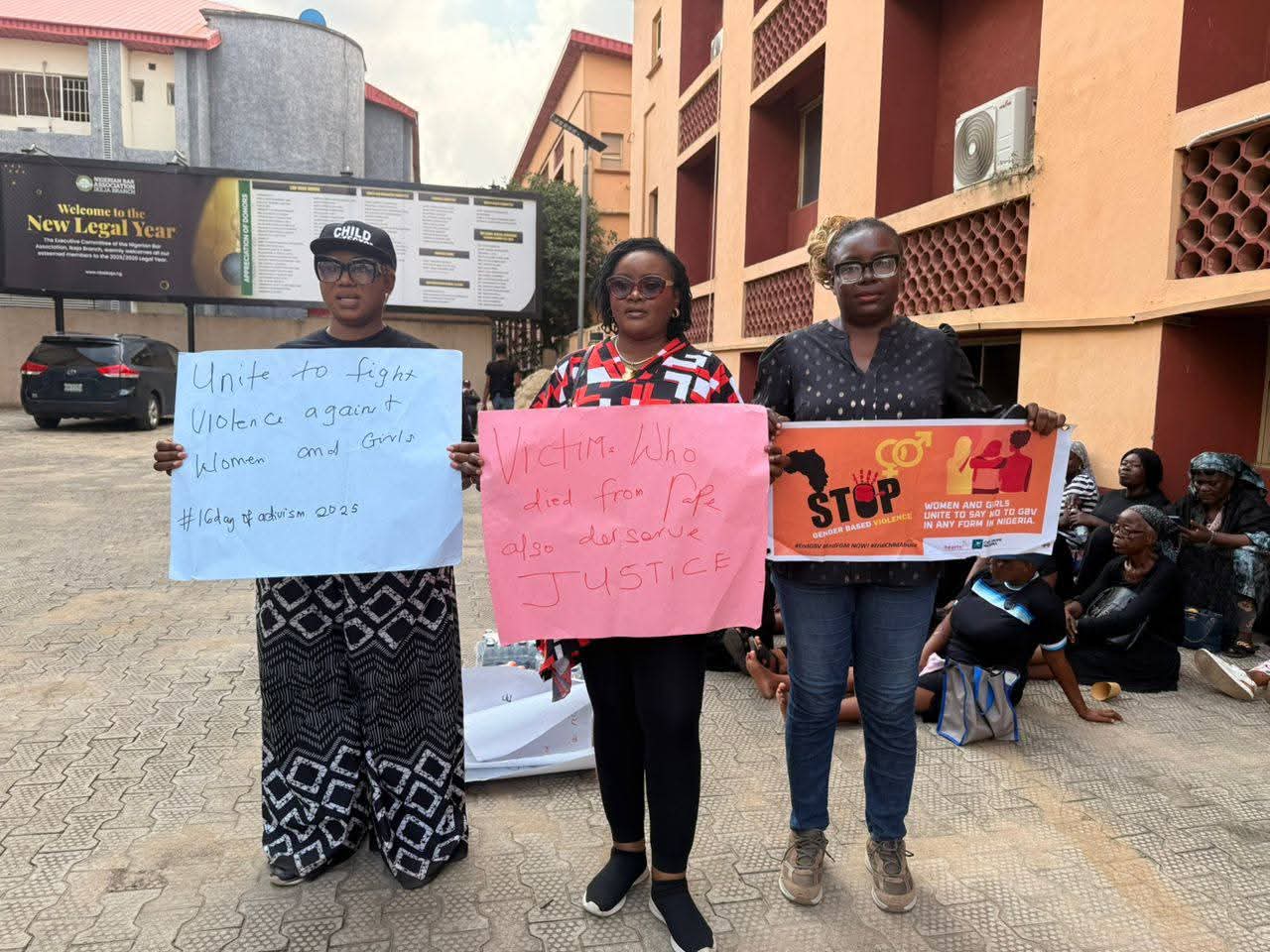
She made the remarks as a guest on Good Morning Nigeria on NTA 2, during a special edition commemorating the 16 Days of Activism Against Gender-Based Violence, themed United to End Digital Violence Against All Women and Girls.
Speaking on gendered vulnerabilities, Chief Onyegbule said common practices in homes across Nigeria demonstrate how society devalues the girl child.

“A woman can have four or five girls, yet she’s not regarded as settled in the home until she produces a boy,” she said.
“When a girl is born, the man simply walks away in silence. That is where the discrimination starts.”
She explained that while boys are encouraged to explore, take risks, and build confidence, girls are often confined to domestic tasks and groomed solely to become “good wives,” limiting their ambitions, opportunities, and self-worth.
Chief Onyegbule shared her personal experiences leading multiple broadcast stations, recounting how her competence was frequently questioned simply because she is a woman.
“Everywhere I go, the bias is there—‘Who is this woman? Why is she getting this job instead of a man?’” she said.
She narrated an incident shortly after her appointment as DG when a visitor, shocked to find a woman in charge, expressed disbelief.
“I told him, ‘You’re going to see me here for a long time, so get used to it.’”
According to her, the scrutiny women face in leadership is often subtle yet unrelenting, and rarely directed at men.
While emphasizing that women are disproportionately affected by gender-based violence, Onyegbule said men also suffer abuse but are discouraged from speaking out due to cultural expectations.
She recounted a disturbing encounter from her days as Station Manager of Rock City FM, Abeokuta:
“A man walked up to me saying he needed to leave his home so he wouldn’t send someone to an early grave. His wife was bullying him, attacking him, and openly seeing other men.”
She said many men endure abuse silently because society labels male vulnerability as weakness or “an abomination.”
“We need to become human first before anything else,” she stated.
“If you cut anyone open, what you’ll see is blood. Why shouldn’t a man express how he feels?”
Chief Onyegbule issued a strong condemnation of rising child sexual abuse, calling for stricter penalties for pedophiles.
She expressed outrage at recurring reports of fathers molesting infants and toddlers:
“What mistake does a six-month-old or one-year-old child make for a sane adult to be aroused? Some children fall ill and die after these assaults. It is horrifying, and our laws must reflect the gravity of these crimes.”
Turning to the year’s theme, Onyegbule said digital spaces have become breeding grounds for new forms of violence against women.
“Women are constantly misrepresented, attacked, or ridiculed online,” she said.
“The digital space has created new forms of violence, and we must confront them.”
She criticized media organizations—especially reputable outlets—that use unflattering, sensational, or misleading photographs of women in their reports strictly to attract clicks.
Citing examples, alongside figures like President Buhari, Bola Ahmed Tinubu, Patience Jonathan, and Remi Tinubu—to show how public figures are often unfairly targeted, ridiculed, or misrepresented online, regardless of their status she condemned:
A national newspaper’s use of a scantily dressed photo of a former Big Brother housemate to accompany a serious advocacy message.
A smiling picture of First Lady Senator Oluremi Tinubu placed beside a solemn appeal for prayers and remembrance of victims of violence.
The years-long digital ridicule targeted at former First Lady Dame Patience Jonathan, whose images and voice were repeatedly turned into memes.
My Governor, Hope Uzodimma, of Imo state also face cyberbullying and harmful narratives.
If even leaders at that level are attacked, the harm done to less powerful individuals—especially women and girls—is even greater and more dangerous.
“We need responsible, ethical journalism,” Onyegbule insisted.
“Report the substance, not sensationalism. The representation of women in the digital space must change.”
Chief Onyegbule reiterated that the media plays a defining role in shaping societal attitudes, and must therefore uphold accuracy, fairness, and dignity—particularly concerning stories about women.
“As ED of Woman of Substance, I am calling on the Nigerian media: be thorough in your reportage of women. Do not feed harmful stereotypes. Do not weaponize photographs. Do not reduce women to clickbait.”
She stressed that achieving gender equality requires dismantling cultural biases and prioritizing ethical reporting standards across media platforms.
She concluded with a reminder that Nigeria’s development depends on giving every child—male or female—an equal chance to thrive.
“We are all human beings. Everyone deserves equal opportunity. Until we fix the cultural biases behind gender expectations, the statistics on violence will not change.”
Her remarks contribute significantly to national advocacy during the global 16 Days of Activism campaign, amplifying calls from civil society, media leaders, and policymakers for stronger protections for women and girls in Nigeria.
GATMASH NEWS
…News That Drives Impact
For advert placements and business inquiries, kindly reach us via:
📧 Email: [email protected]
📞 Tel/WhatsApp: +234 (0) 807 202 2024
We value your voice! Share your stories, eyewitness reports, and contributions with us anytime:
📲 SMS/WhatsApp: +234 (0) 807 202 2024
📧 Email: [email protected]
Visit us online: https://www.gatmash.com