
By Theresa Moses

Stakeholders from government, academia, diplomacy, and the private sector have called for stronger collaboration between Nigeria and South Africa, describing the relationship between Africa’s two largest economies as critical to the continent’s future prosperity and global relevance.
The call was made at the Nigeria-South Africa Chamber of Commerce (NSACC) May Breakfast Forum held at Orchid Hall, Eko Hotel & Suites, Victoria Island, Lagos, on Tuesday May 26, 2026.
The forum, themed “Unlocking the Next Frontier of Strategic Partnership,” brought together policymakers, business leaders, scholars, and development experts to explore pathways for deepening bilateral relations between both nations.

In her opening remarks, NSACC Chairperson, Dr. Ije Jidenma, emphasized that stronger ties between Nigeria and South Africa would benefit not only both countries but the entire African continent.
Reflecting on South Africa’s democratic transition and the enduring relationship between both nations, Jidenma noted that economic cooperation, political trust, cultural exchanges, and practical collaboration remain essential pillars for future growth.
“Both countries are regional powerhouses, and when we work together effectively, the broader continent benefits,” she said.
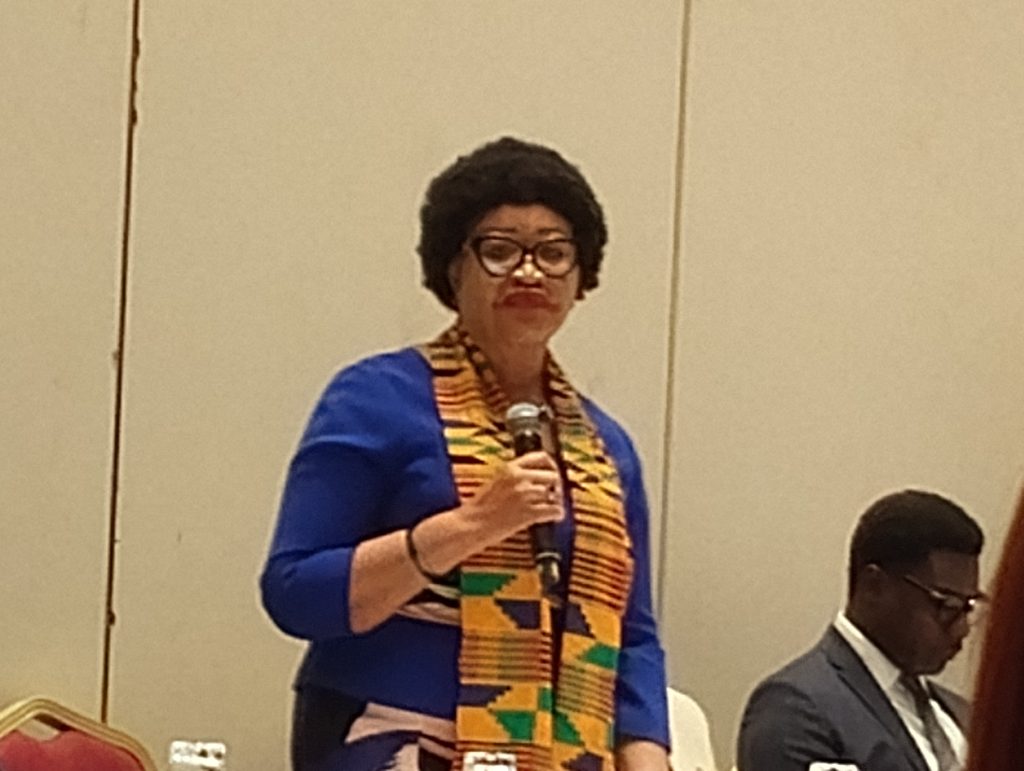
According to her, strategic collaboration should focus on reducing trade barriers, promoting joint ventures, and expanding cooperation across sectors such as energy, telecommunications, agriculture, fintech, banking, and manufacturing.
She pointed to existing success stories, including MTN’s operations in Nigeria, Standard Bank’s presence through Stanbic IBTC, and growing commercial engagements between businesses in both countries.
“We must celebrate the things we are doing right and build on them. Nigeria and South Africa have a responsibility to work together as leading forces in Africa and secure our rightful place in the global economy,” she added.
Colonial Legacy and Xenophobia
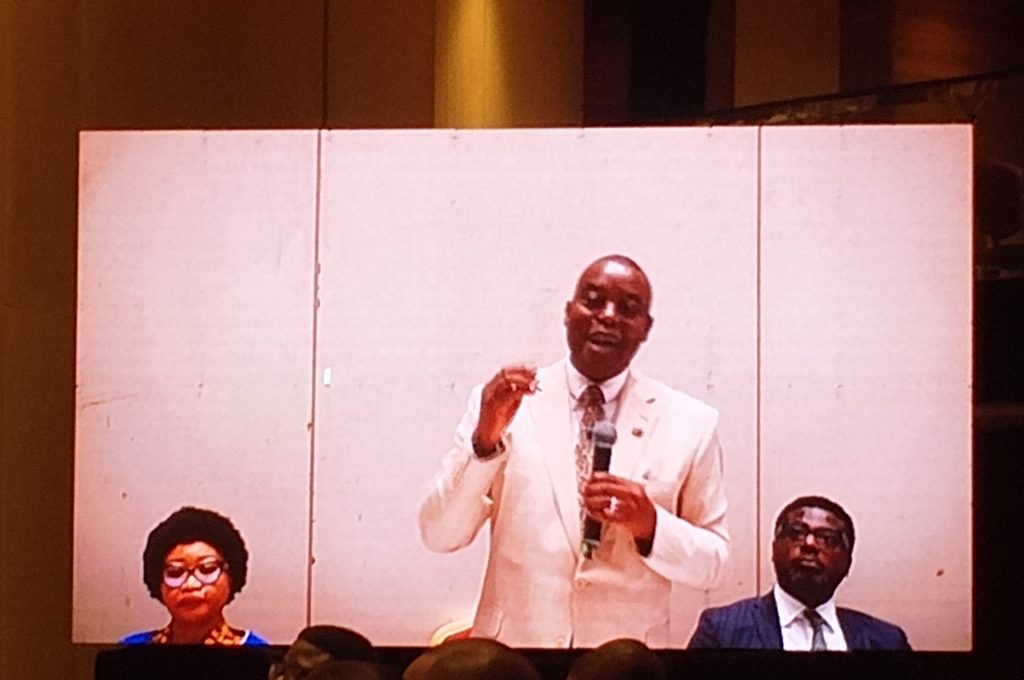
Delivering the keynote address, the Director-General of the Nigerian Institute of International Affairs (NIIA), Prof. Eghosa Osaghae, provided a historical perspective on the relationship between Nigeria and South Africa.
Drawing from personal experiences dating back to his first visit to South Africa in January 1994, shortly before the country’s first democratic elections, Osaghae traced the roots of xenophobia and Afrophobia to colonial structures and apartheid-era policies.
He argued that apartheid institutionalized exclusion and territorial ownership based on race and ethnicity, creating divisions whose effects continue to shape contemporary South African society.
According to him, xenophobic tendencies are not isolated incidents but part of broader colonial legacies that promoted exclusionary identities and competition over economic opportunities.
The professor recalled how Nigeria’s impressive performance at the 1994 FIFA World Cup boosted the country’s image among South Africans emerging from apartheid.
He noted, however, that economic migration and competition for opportunities later complicated perceptions, especially at grassroots levels.
Osaghae stressed that many of the tensions associated with xenophobia stem from historical structures rather than inherent hostility among ordinary Africans.
“The future of Africa depends on how effectively Nigeria and South Africa can work together despite historical complexities,” he stated.
He further challenged intellectuals, policymakers, and business leaders to confront colonial-era narratives that continue to undermine African unity and integration.
Economic Collaboration Through Shared Expertise
Also speaking during the panel session, Dr. Muyiwa Oni, Regional Head of Equity Research, West Africa, Standard Bank Group, emphasized the importance of collaboration as the foundation for stronger Nigeria-South Africa relations.
According to Oni, strategic partnerships thrive when countries leverage their respective strengths and share expertise across sectors. He noted that Nigeria’s experience in industries such as oil and gas has often provided valuable lessons for other African economies, while South Africa’s institutional and financial capabilities offer opportunities for mutual growth.
He stressed that collaboration rather than competition should define future engagements between both nations.
“Collaboration is what will continue to drive the next frontier of strategic partnership between Nigeria and South Africa,” he said.
Oni added that strengthening talent development, knowledge exchange, and cross-border investments would help dismantle barriers created by historical experiences, cultural differences, and economic rivalries.
Africa’s Future Depends on Partnership
In his contribution, Managing Director and Chief Executive Officer of Hunta Corporate Solutions, Mr. Richard Daniels, described Nigeria and South Africa as strategic anchors for Africa’s economic future.
According to Daniels, the continent’s progress will largely depend on how effectively its leading economies cooperate to address common challenges such as poverty, education deficits, insecurity, and weak governance structures.
“The future of Africa will not be decided in isolation. It will be shaped by how Nigeria and South Africa work together,” he stated.
Daniels called for greater private-sector engagement, stronger youth participation, enhanced manufacturing capacity, food security, and energy diversification. He also urged both countries to maximize opportunities within global partnerships and economic blocs while promoting innovation, entrepreneurship, media, tourism, sports, and technology.
“If we fail to engage and empower our youth, we risk missing enormous opportunities for growth and innovation,” he warned.
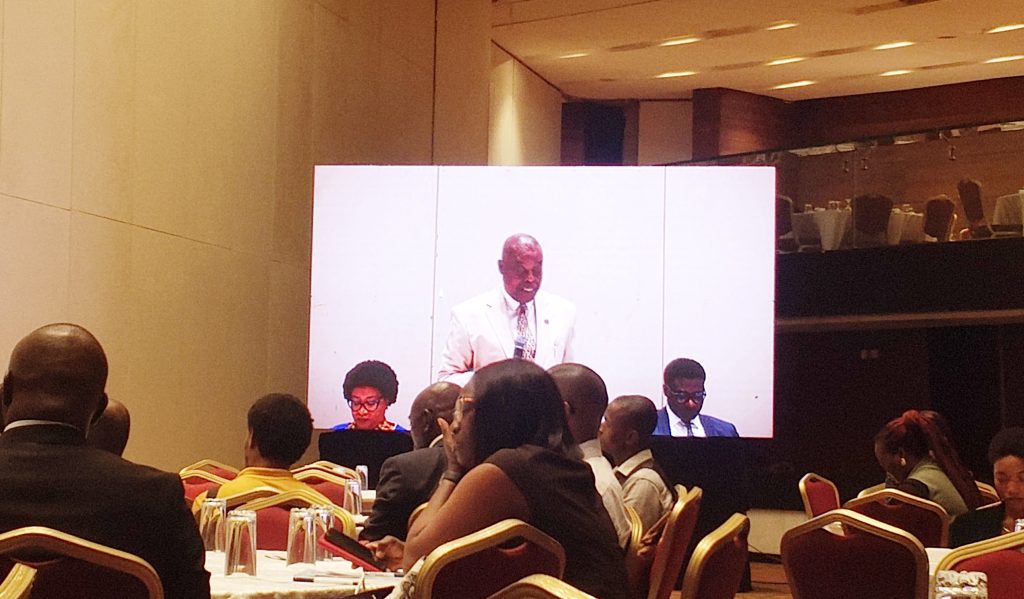
Participants emphasized that stronger partnerships between Nigeria and South Africa would accelerate continental integration, strengthen intra-African trade, create jobs, attract investments, and improve Africa’s position in the global economy.
As discussions concluded, stakeholders reaffirmed the role of the Nigeria-South Africa Chamber of Commerce as a vital platform for fostering dialogue, building trust, and advancing mutually beneficial partnerships between the continent’s two economic giants.
GATMASH NEWS
…News That Drives Impact
For advert placements and business inquiries, kindly reach us via:
📧 Email: [email protected]
📞 Tel/WhatsApp: +234 (0) 807 202 2024
We value your voice! Share your stories, eyewitness reports, and contributions with us anytime:
📲 SMS/WhatsApp: +234 (0) 807 202 2024
📧 Email: [email protected]
Visit us online: https://gatmash.com