

- At the 2026 GTCO Fashion Weekend masterclass, the model, filmmaker and digital storyteller explained how creativity, friendship, persistence and resourcefulness helped transform her ideas into international opportunities.
For Rachel Ojuromi, popularly known as Rachelashot, the journey to the international fashion stage did not begin with a modelling contract or an invitation from Chanel. It began with a teenage curiosity about the internet, a passion for filmmaking and a determination to tell stories differently.
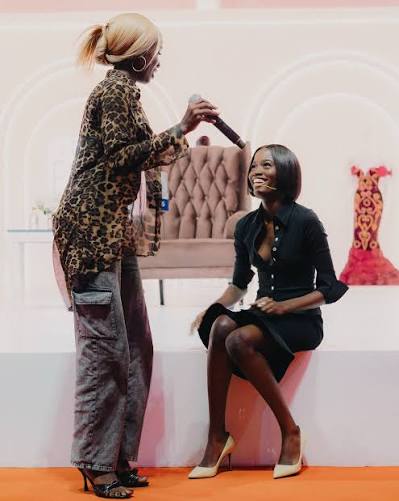
Speaking at her first-ever masterclass at the 2026 GTCO Fashion Weekend in Lagos, the Nigerian model, creative and digital storyteller opened up about the work, uncertainty and creative partnerships behind her growing international profile.
Her session, titled “Creativity Without Permission: Big Lives Are Born in Little Rooms,” explored the possibilities available to young creatives willing to pursue their ideas, even when they lack the resources or recognition they believe they need.
Recounting her beginnings, Ojuromi said she actively started pursuing creativity about six years ago, shortly after completing secondary school. At 16, she secured a job as a YouTube consultant because she wanted to understand the internet and the opportunities it offered.

Having developed an interest in online video content, she eventually began producing her own YouTube videos. The experience opened doors, with people subsequently approaching her to create content for them.
Although she initially aspired to become a neurosurgeon, discovering filmmaking changed her direction.
“I was like, okay, I want to be a filmmaker,” she recalled, explaining that the combination of fashion, storytelling and real-life experiences gave her a new creative path.
Ojuromi explained that her creative journey developed beyond social media content through Process Africa, a magazine project she started three years ago to spotlight Black filmmaking and African creativity.
The project brought her into closer collaboration with creative professionals, including stylist and designer Debbie Fasingha and photographer Odey Ikpa.
Their partnership eventually evolved into a creative process that combined fashion, photography, storytelling and outdoor visual production.
Rather than relying exclusively on conventional studios, the team began exploring Lagos streets and everyday environments as creative spaces.
Ojuromi said she preferred outdoor locations because of the unpredictability and freedom they offered, allowing the team to discover new possibilities in familiar surroundings.
The approach also provided an alternative for creatives working with limited budgets.
She explained that some of the team’s early projects involved showcasing Debby Fasingha’s designs through photographs, with Ojuromi modelling the outfits and Odey Ikpa capturing the images.
The objective was to give the clothes visibility without requiring expensive production arrangements.
Her message to emerging creatives was clear: limited resources should not become an excuse for abandoning promising ideas.
“You shouldn’t have to break your bank,” she said, encouraging creatives to work with the resources available to them and build towards their next opportunity.
While Ojuromi has become the face of the videos attracting international attention, she was quick to acknowledge the contributions of her collaborators.
She described the relationship with Fasingha and Ikpa as a creative partnership built on shared interests, research, experimentation and mutual encouragement.
The team had spent considerable time studying fashion, photography, lighting, visual storytelling and creative direction before their videos began attracting widespread attention.
According to her, the work that eventually brought her international recognition was the result of years of preparation rather than an overnight breakthrough.
She recalled how the team began producing fashion photographs before exploring video as another means of expressing their ideas.
Their first major push into the now-recognisable street-style videos came in March 2026, when she created content showcasing a fashion piece for Nigerian designer Meji Meji.
The response from her friends encouraged her to continue developing the concept.
Ojuromi highlighted the importance of having people who believe in one’s ideas, particularly when the initial reaction from the wider world is uncertain.
She described her friends as her cheerleaders, explaining that their enthusiasm helped convince her to keep producing the videos.
For her, collaboration is not simply about having people around but finding individuals who understand a creative vision and are willing to contribute to bringing it to life.
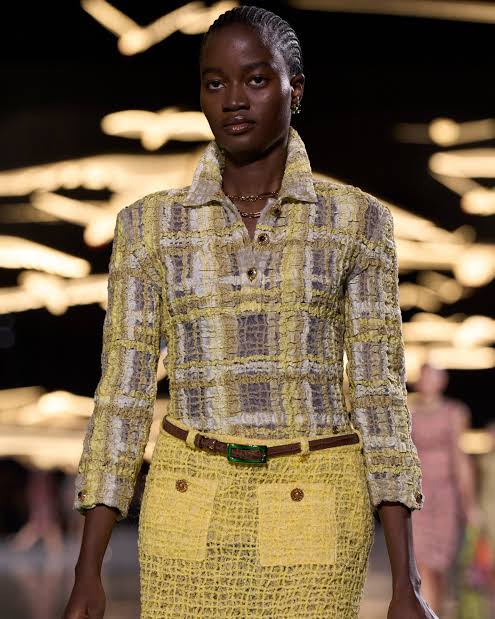
One of the most engaging moments of the masterclass came when Ojuromi recounted how her creative work eventually connected her to Chanel.
She explained that the team produced a video inspired by Chanel’s 2026 collection after studying the fashion house’s runway presentation and accompanying show notes.
Rather than simply recreating the runway show, they interpreted its creative direction through their own perspective, using available clothing and resources to tell a different visual story.
The video was produced in May and published in July 2026.
According to Ojuromi, conversations involving her agency and Chanel’s creative team had already begun before the video was released. Following its publication, Chanel’s creative director, Matthieu Blazy, publicly reacted to the work and later expressed his desire to meet her.
She said the possibility of working with the fashion house remained uncertain for some time, with no immediate confirmation that she would walk in its runway show.
Towards the end of September, however, she travelled to Paris, where she eventually met Blazy and members of the Chanel team.
What she initially considered an opportunity to meet the creative director and experience Paris soon became something much bigger.
After trying on outfits during her meeting with the team, she was informed that she had booked her first Chanel runway show.
The announcement left her overwhelmed. She recalled returning to her hotel and celebrating with her agency before waking up the following morning in tears as the reality of the achievement sank in.
It was not only her first Chanel appearance but also her first runway show. Beyond the international recognition, Ojuromi used the masterclass to challenge the idea that creatives must imitate established personalities or wait for perfect conditions before pursuing their ambitions.
She said the strength of her team’s work came from offering an authentic perspective rather than attempting to replicate the identities or styles of others.
For her, creativity is about identifying the stories one wants to tell and finding original ways to communicate them.
She also emphasised the importance of styling and creative direction in fashion storytelling, explaining that clothing should help communicate a character, setting and narrative rather than simply serve as an attractive outfit.
Her experience reinforced the value of research, preparation, consistency and collaboration in building a sustainable creative career.
At the masterclass, she also spoke about the personal significance of hosting her first session with GTCO, recalling that she opened her first bank account with the institution at the age of 16.
GATMASH NEWS
…News That Drives Impact
For advert placements and business inquiries, kindly reach us via:
📧 Email: [email protected]
📞 Tel/WhatsApp: +234 (0) 807 202 2024
We value your voice! Share your stories, eyewitness reports, and contributions with us anytime:
📲 SMS/WhatsApp: +234 (0) 807 202 2024
📧 Email: [email protected]
Visit us online: https://gatmash.com