
By Theresa Moses
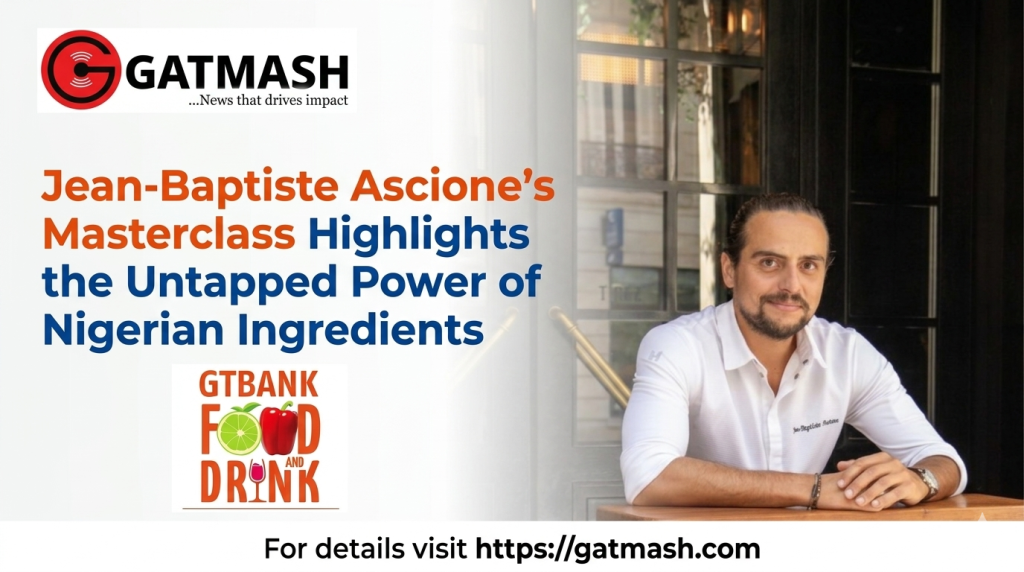
In an era where fine dining is increasingly defined by expensive imports and complex presentation, French chef Jean-Baptiste Ascione arrived at the GTCO Food & Drink Festival 2026 with a radically different message: the future of great cuisine begins with the ingredient itself.
From fire-roasted simplicity to carefully sourced seasonal produce, Ascione’s masterclass challenged chefs, restaurateurs, and food entrepreneurs to rethink how food is created, presented, and experienced. His philosophy; built around authenticity, freshness, and emotional connection; sparked fresh conversations about Nigeria’s untapped farm-to-table potential and the global value of indigenous ingredients.
At a time when Nigeria’s hospitality industry is searching for new culinary identities, Ascione’s ingredient-driven approach offered more than inspiration; it presented a blueprint for transforming local produce into world-class dining experiences.

Cooking Rooted in Simplicity and Identity
Drawing from his childhood experiences in his grandparents’ vegetable garden, Ascione explained how his earliest relationship with fresh produce influenced his culinary philosophy long before his professional training in Michelin-starred kitchens.
For the French chef, cooking is not simply about elaborate presentation or technical complexity; it is about allowing ingredients to express themselves naturally.
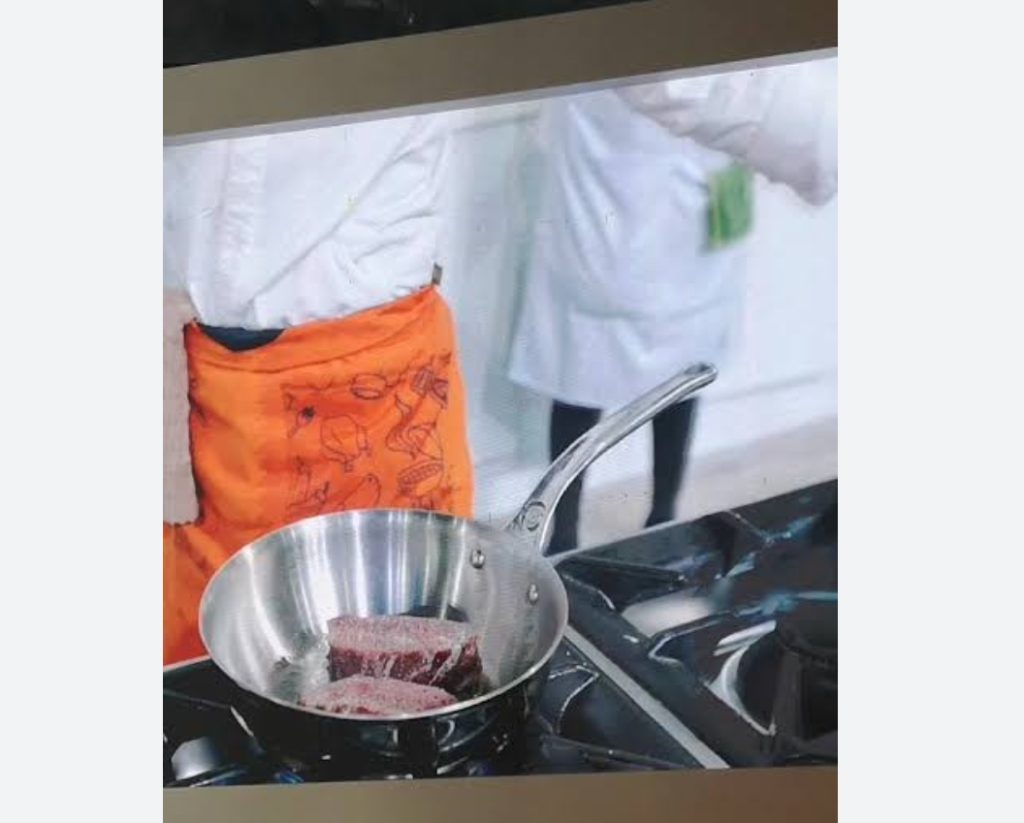
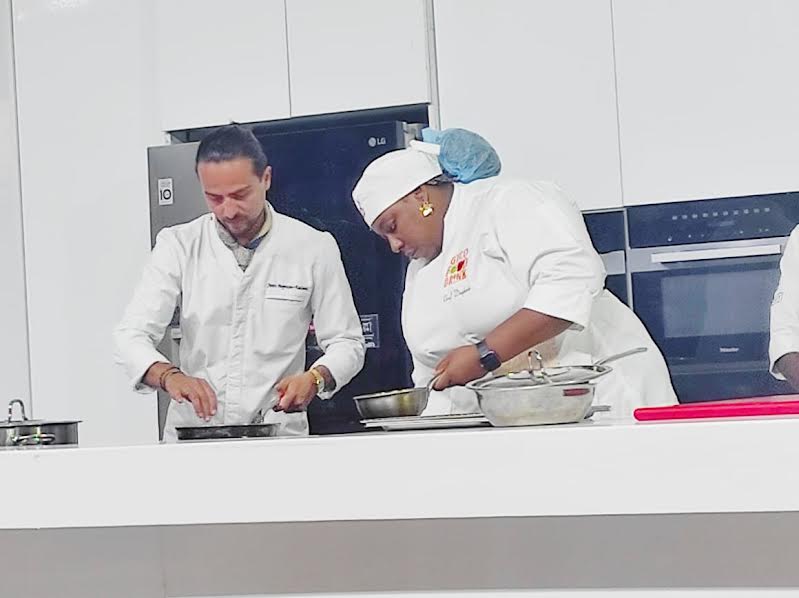
Throughout the masterclass, he emphasized restraint, balance, and respect for raw materials, demonstrating how carefully sourced seasonal ingredients can become the centerpiece of refined cuisine.
His approach highlighted a growing global movement toward minimalist gastronomy, where freshness, sourcing, and ingredient integrity matter just as much as culinary technique.
A Valuable Lesson for Nigeria’s Agricultural and Hospitality Sectors
Ascione’s philosophy carries growing relevance for Nigeria’s evolving food ecosystem, particularly as conversations around sustainable sourcing, local agriculture, and farm-to-table dining continue to emerge.
Industry stakeholders at the festival noted that his approach presents opportunities for Nigerian chefs to build modern dining concepts around indigenous produce rather than relying heavily on imported ingredients.
From yam and plantain to ugu, okra, seafood, peppers, and locally cultivated vegetables, Nigeria possesses a wide range of ingredients capable of supporting sophisticated seasonal menus when paired with refined culinary execution.
His session reinforced the importance of stronger collaboration between farmers, local producers, and hospitality businesses, a model increasingly becoming central to modern global gastronomy.

Farm-to-Table as a Growing Culinary Opportunity
As urban consumers become more conscious about freshness, sustainability, and food origin, farm-to-table dining continues to gain international relevance.
Ascione’s presentation highlighted how direct sourcing from local farmers can improve ingredient quality while also supporting rural economies and creating more sustainable food systems.
For Nigeria’s hospitality industry, this model offers opportunities not only for culinary innovation but also for economic development within agriculture and food production.
Many attendees viewed his masterclass as a timely reminder that globally competitive cuisine can be built around local resources when approached with creativity, discipline, and authenticity.
Meet Chef Jean-Baptiste Ascione
Jean-Baptiste Ascione is a French chef whose cooking is shaped by travel, instinct, and a profound respect for products and open-fire cooking.
He began cooking at the age of 13, gradually developing a culinary identity that combines classical French technique with personal exploration and emotional storytelling through food.
Over the years, he has refined his craft in several renowned kitchens, including Prince de Galles, the Michelin-starred La Grande Cascade, and Masa, where he further developed his technical precision and creative expression.
In 2015, Ascione gained national recognition after competing on Top Chef, where he earned the distinction of creating the best dessert across all seasons of the competition.
At just 26, he opened Petit Gris in Paris, a farm-to-table restaurant rooted in honest, seasonal cooking. He later expanded his culinary vision with Faby, a wine bar inspired by conviviality, sharing, and simple but refined dining experiences.
He is also preparing to launch Le Petit Brochant in Paris in June 2026, marking another chapter in his evolving culinary journey.
His cuisine remains guided by fire, raw flavours, seasonal ingredients, and meaningful human encounters, an approach that continues to define his work globally.
GTCO Festival as a Culinary Innovation Platform
The GTCO Food & Drink Festival once again reinforced its reputation as one of Africa’s leading platforms for culinary exchange, innovation, and entrepreneurship.
With hundreds of exhibitors showcasing street food, beverages, desserts, packaged products, and ready-to-eat meals, the event created a meeting point between local creativity and international culinary expertise.
This year’s masterclasses; from wine culture and Japanese precision cuisine to pastry innovation and fusion gastronomy, highlighted a Nigerian food ecosystem increasingly influenced by global collaboration and cultural reinterpretation.
GATMASH NEWS
…News That Drives Impact
For advert placements and business inquiries, kindly reach us via:
📧 Email: [email protected]
📞 Tel/WhatsApp: +234 (0) 807 202 2024
We value your voice! Share your stories, eyewitness reports, and contributions with us anytime:
📲 SMS/WhatsApp: +234 (0) 807 202 2024
📧 Email: [email protected]
Visit us online: https://gatmash.com