

The Director General and Chief Executive Officer of the Association of Nigerian Exporters (ANE), Prince Joseph Idiong, has highlighted the far-reaching economic implications of drug trafficking on Nigeria’s export sector, warning that illicit drug activities pose serious threats to legitimate trade and the nation’s global reputation.
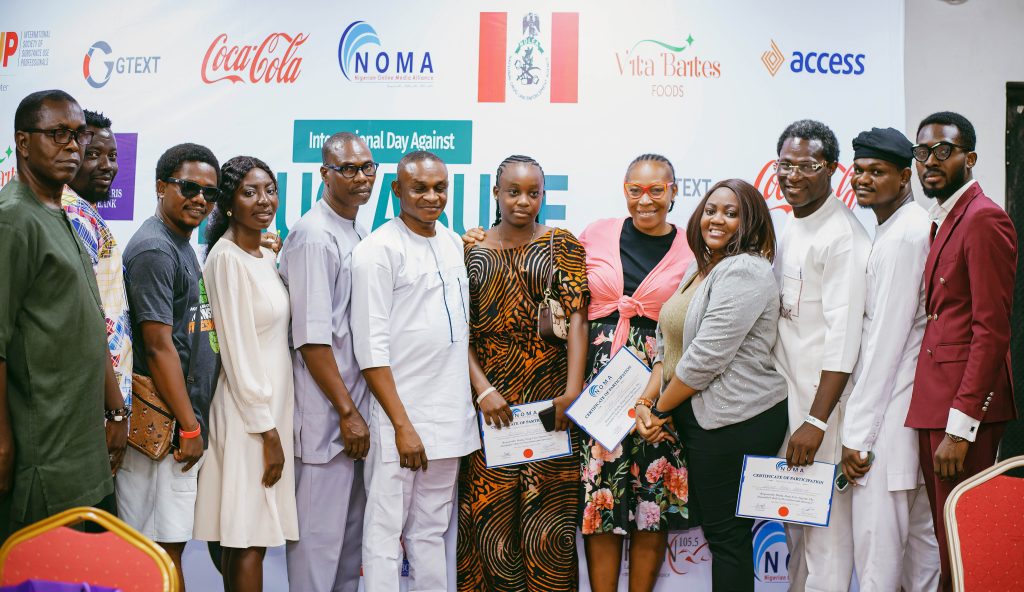
Idiong, who was represented by Dr. Patrick Omoyeni, made this known while delivering a lecture at the Media Practitioners’ Capacity Building Workshop organized by the Nigerian Online Media Alliance (NOMA), a coalition of digital media publishers, journalists and stakeholders committed to promoting ethical journalism, media development, and impactful public advocacy across Nigeria, in collaboration with the National Drug Law Enforcement Agency (NDLEA), the International Society of Substance Use Prevention and Treatment Professionals (ISSUP Nigeria), and the Federal Neuro-Psychiatric Hospital, Yaba, on Thursday, to commemorate the 2026 International Day Against Drug Abuse and Illicit Trafficking.
The workshop, themed “Responsible Media, Drug-Free Nigeria: The Journalist’s Role in Prevention and Advocacy,” brought together journalists, healthcare professionals, anti-drug advocates, policy-makers, and other stakeholders to explore strategies for combating substance abuse and illicit trafficking.
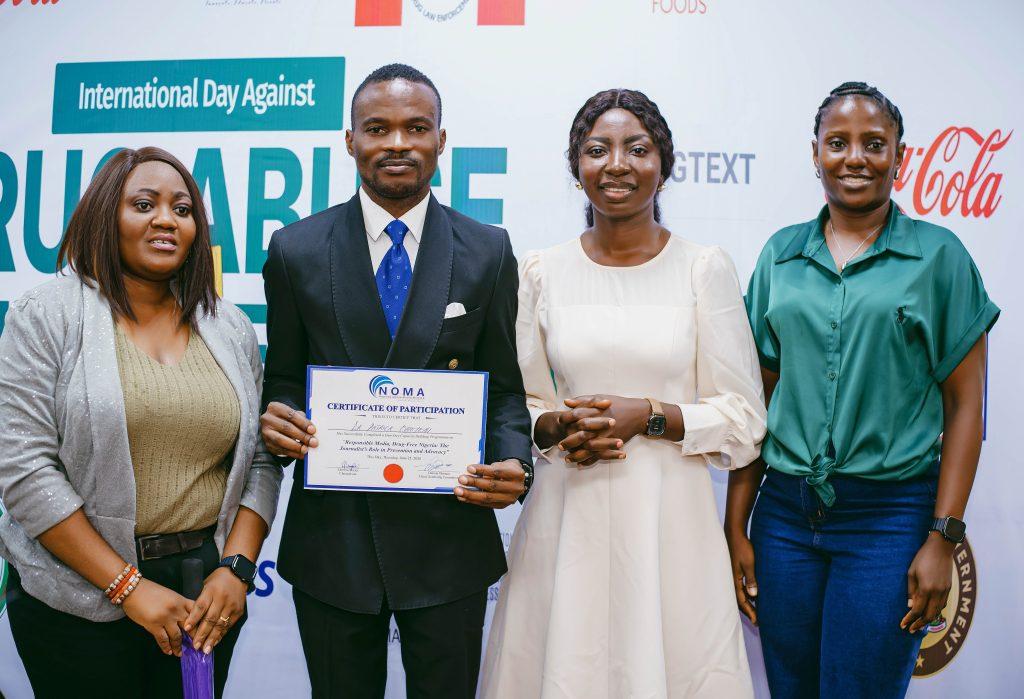
In his speech, Idiong noted that drug traffickers often exploit the same transportation and logistics channels used by legitimate exporters, including airports, seaports and land borders, creating significant challenges for businesses engaged in international trade.

According to him, when ports are identified as transit hubs for illicit drugs due to seizures by law enforcement agencies, exporters suffer the consequences through increased scrutiny, delays, and additional operational costs.
“When a port becomes associated with drug trafficking activities, export containers are subjected to extensive examination procedures, resulting in delays, demurrage charges, and delivery deadline failures. This affects the competitiveness of Nigerian exporters in the global market,” he said.
The ANE Director-General stressed that combating drug trafficking is not only a security and public health imperative, but also an economic necessity.
He commended NOMA for organizing the workshop, describing the media as a critical partner in disseminating prevention messages and promoting public awareness on the dangers of substance abuse.
Idiong urged journalists to rely on credible and evidence-based information from international organizations such as the United Nations Office on Drugs and Crime, which he described as the leading global agency responsible for drug control policies and prevention frameworks.
He also identified the World Health Organization, United Nations Children’s Fund, and the International Narcotics Control Board as important partners in the global fight against drug abuse and illicit trafficking.
According to him, journalists should make use of the annual UNODC World Drug Report and other verified resources to ensure accuracy and credibility in their reporting.
“Media practitioners must avoid exaggeration, false statistics, and stigmatization. Sustainable prevention campaigns require factual information, consistency, and strategic partnerships,” he said.
The export sector leader further emphasized the need for prevention programmes to be tailored to different age groups, in line with international best practices recommended by UNODC.
He explained that prevention strategies should focus on emotional development for younger children, refusal skills for adolescents, and harm reduction and alternative opportunities for older youths.
Idiong also called for stronger collaboration between the media, NDLEA, the Federal Ministry of Health, civil society organizations, and international development partners to ensure sustained anti-drug advocacy.
While commending the quality of discussions at the workshop, he recommended that anti-drug awareness campaigns should not be limited to annual commemorations but expanded into quarterly engagements supported by government agencies, corporate organizations, and public-spirited individuals.
“The campaign against drug abuse and illicit trafficking must be continuous. It should become part of our national conversation through regular public enlightenment and community engagement programmes,” he stated.

He concluded by urging journalists to use their platforms responsibly in educating the public, promoting prevention messages, and supporting efforts to build a healthier and drug-free Nigeria.
GATMASH NEWS
…News That Drives Impact
For advert placements and business inquiries, kindly reach us via:
📧 Email: [email protected]
📞 Tel/WhatsApp: +234 (0) 807 202 2024
We value your voice! Share your stories, eyewitness reports, and contributions with us anytime:
📲 SMS/WhatsApp: +234 (0) 807 202 2024
📧 Email: [email protected]
Visit us online: https://gatmash.com