
By Theresa Moses
Fresh concerns have emerged over the growing use of artificial intelligence in political communication, increasing political competition, electoral technology and enforcement of electoral laws ahead of Nigeria’s 2027 general elections.
The concerns are contained in early findings from the #TrackingNaija2027Elections monitoring initiative jointly conducted by the Centre for Research on Development of African Media, Governance and Society (CEREDEMS-Africa), the Centre for Peace and Strategic Studies (CPSS), University of Ilorin, and the Institute of Geopolitical Communications, RUDN University, Moscow, Russia.
The initiative, which has deployed a 300-member volunteer monitoring network, said its early observations indicate that the 2027 electoral environment is already being shaped by developments taking place well ahead of the formal campaign and election periods.

According to the monitoring group, the increasing number of presidential aspirants and political parties points to a highly competitive political environment that could influence campaign strategies, voter mobilisation and political narratives as the election approaches.
AI Enters Political Communication
One of the major issues identified by the monitoring initiative is the growing use of artificial intelligence in political communication.
The group said it has identified AI-generated political content being used both to promote political actors and issues and to attack opponents.
It described some of the content as “glowfake”, referring to material designed to glorify candidates, parties or issues, and “foefake”, referring to content used to attack opponents or political positions.
The concern, according to the researchers, goes beyond whether content is genuine or fabricated. They are also examining how such content is produced, targeted and circulated, who it seeks to influence and whether it reinforces political divisions.
The monitoring initiative warned that AI could increasingly become part of campaign strategy, with synthetic content capable of amplifying favourable narratives about candidates while simultaneously spreading negative narratives against opponents.
It consequently called for greater awareness among electoral institutions, political parties, media organisations, civil society groups and citizens about the changing nature of political communication.
Electoral Technology Under Scrutiny
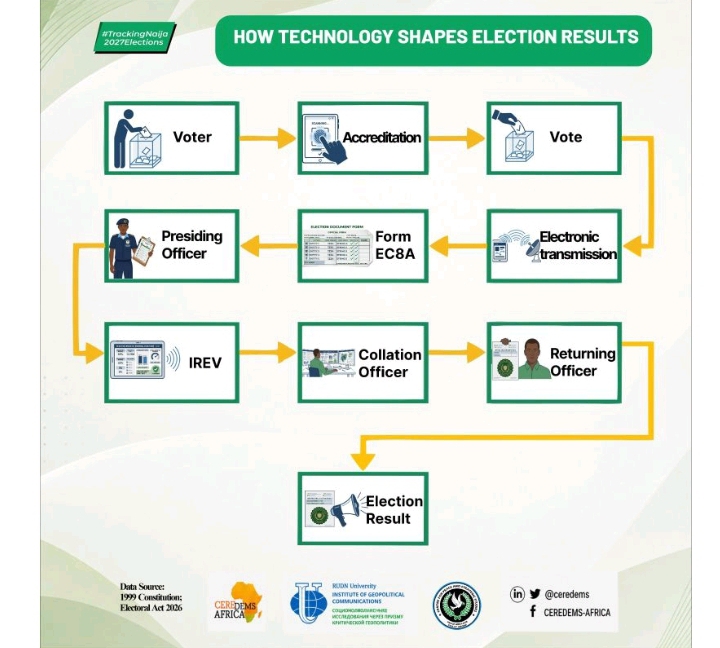
The monitoring also identified electoral technology as an important factor in public confidence ahead of 2027.
According to the initiative, technology now cuts across several stages of Nigeria’s electoral process, including voter accreditation, voting, recording, transmission, collation and declaration of results.
While technology can improve speed, transparency and traceability, the group said weaknesses at any stage could affect confidence in the entire electoral process.
It stressed that technological preparedness should not be limited to the availability of digital systems but should include adequate training for election officials, clear procedures and effective public communication on how votes move from polling units to final declaration.
The group said voters and political stakeholders must be able to understand the processes sufficiently to reduce suspicion and strengthen confidence in election results.
Enforcement Key to Preventing Electoral Violence
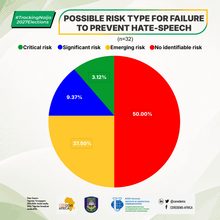
The monitoring initiative also raised concerns over the enforcement of electoral laws, particularly provisions dealing with threats, use of force and abusive political language.
It noted that having laws in place would not, by itself, prevent electoral violence if violations were not identified and sanctioned consistently.
According to the group, consistent enforcement could strengthen deterrence and make it clear that electoral rules apply equally to political actors and their supporters.
It therefore called for greater public awareness of prohibited electoral conduct and stronger enforcement where violations occur.
Monitoring to Continue
The partners said the emerging findings demonstrate the need for continuous monitoring before, during and after the 2027 elections.
Future areas of focus will include electoral governance, political finance and vote commodification, electoral security, information integrity, artificial intelligence and elections, electoral justice, peace and inclusive participation.
CEREDEMS-Africa brings a media and governance research perspective to the initiative, while the Centre for Peace and Strategic Studies contributes expertise in peace, security and strategic analysis. The Institute of Geopolitical Communications at RUDN University provides a geopolitical communication perspective.
The 300-member volunteer network is expected to continue collecting and analysing election-related information across the country, with the aim of turning emerging data into evidence that can help stakeholders identify risks and respond early.
Stephen Obiri, Director of Communications, CEREDEMS-Africa, said the initiative would continue monitoring developments and making evidence-based findings available to the public.
“The #TrackingNaija2027Elections initiative will therefore continue to monitor the electoral environment and disseminate evidence-based findings as the political cycle develops,” he said.
Obiri said the broader objective was to contribute to a democratic process where emerging risks are identified early, institutions are better prepared and citizens have access to credible information about the forces shaping the 2027 elections.
The partners stressed that the initiative is non-partisan and is not designed to support any political party, candidate or political interest.
Rather, they said, its focus is on understanding factors that could strengthen or undermine peaceful, credible, inclusive and trusted elections in Nigeria.
GATMASH NEWS
…News That Drives Impact
For advert placements and business inquiries, kindly reach us via:
📧 Email: [email protected]
📞 Tel/WhatsApp: +234 (0) 807 202 2024
We value your voice! Share your stories, eyewitness reports, and contributions with us anytime:
📲 SMS/WhatsApp: +234 (0) 807 202 2024
📧 Email: [email protected]
Visit us online: https://gatmash.com