
By Theresa Moses
For women living in displacement camps across Nigeria, meeting basic needs is a daily economic struggle. Food, sanitary products, healthcare and decent accommodation compete for limited household resources, forcing families to make difficult choices about what they can afford and what must wait.
At the Area 1 Internally Displaced Persons (IDP) Camp in Durumi, Abuja, Liyatu Ayuba, the camp’s women leader, described the challenges facing families who depend heavily on donations to survive. “We get rice, beans, garri from donations, but we didn’t know how to cook it to make our children strong,” Ayuba said. Her account highlights a dimension of humanitarian assistance that can be overlooked: providing essential supplies is critical, but helping families use available resources effectively is also important. Where income is scarce and access to nutritious food is uncertain, household welfare depends on more than the quantity of food distributed. These competing demands reveal the economic cost of unmet basic needs and the importance of designing interventions that respond to the realities of vulnerable communities.
Food insecurity remains a significant concern for displaced households in Benue State. An August 2025 socio-economic assessment by the International Organization for Migration’s Displacement Tracking Matrix surveyed 910 households across 18 displacement sites in five local government areas. The assessment found that most surveyed households earned less than ₦20,000 monthly; about $12 at current rates. It also reported that 96 per cent received food assistance, while 59 per cent relied on humanitarian assistance as a source of livelihood. The pressure comes against a national backdrop of persistent food-price increases. Nigeria’s food inflation stood at 19.59 per cent year-on-year in September 2026, with an average annual rate of 15.72% for the 12 months ending September, according to figures reported from the National Bureau of Statistics. Food and non-alcoholic beverages contributed 5.85% to headline inflation, the largest single driver.

For families, the findings illustrate a precarious reality: even where food assistance is available, low incomes and dependence on external support limit ability to meet wider needs. The survey found 50% of households eat only two meals per day, with 49% reducing meal size and 42% skipping meals to cope. When a 50kg bag of local rice costs ₦45,000-₦60,000; two to three months’ income: dietary diversity is impossible. Miss Fareedah Garu, a nutritionist and Director, Gfud & Buka, said some families already receive staple food items but need support to understand how to combine them to improve nutritional value. That distinction matters: nutrition education can strengthen food assistance, but it cannot replace access to adequate, diverse ingredients.
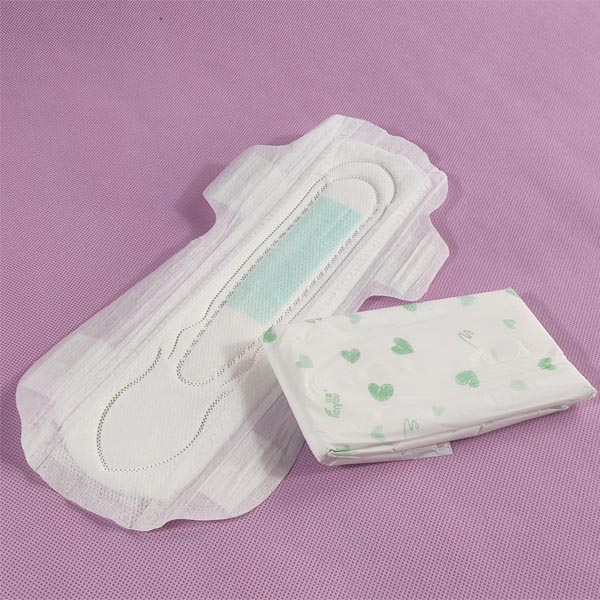
Menstrual health presents another financial pressure for women and girls living in low-income households. Unlike some expenses that occur periodically, menstrual products are recurring necessities. For people with little or no regular income, purchasing sanitary pads means diverting money from food, transport or school supplies. A May 2026 analysis by Dataphyte estimated annual expenditure on disposable sanitary pads at between ₦47,603 and ₦142,809, depending on consumption patterns, with prices of approximately ₦1,800 to ₦3,000 per pack. With Nigeria’s minimum wage at ₦70,000 monthly (₦840,000 annually), that represents 5.1% to 15.46% of annual minimum wage.
For a displaced household in Benue earning less than ₦20,000 monthly – ₦240,000 annually; the upper estimate of ₦142,809 represents 59.5% of total annual household income. In a household with two or three girls, the cumulative cost can exceed total earnings, forcing a choice between menstrual dignity and food. These estimates demonstrate how recurring costs accumulate. For a displaced woman without stable income, even a relatively small purchase becomes difficult when food and accommodation are uncertain.
The economic consequences extend beyond purchase. Women and girls who cannot obtain suitable products may struggle to manage periods with dignity, particularly where access to private washing facilities, clean water and adequate sanitation is limited. The NBS Consumer Price Index for Personal Care, Social Protection and Miscellaneous Goods, which includes sanitary products, rose 63.5% between January 2024 and April 2026, despite VAT exemptions on pads introduced in 2020 and expanded in the 2025 Tax Act. Over 23% of girls aged 15-24 missed school due to menstruation in the past year, with 43% absent due to menstrual pain. Each missed week is lost learning and lower future earnings. In Durumi, Ayuba recalled: “Many of our girls would stay home for one week every month because they had no pads. Some used old rags and it caused infections,” adding clinic costs to household spending.
The Pad Me A Girl Empowerment Foundation, a Nigerian social impact organisation working to advance menstrual health, dignity, education and empowerment, particularly among girls and women in underserved and vulnerable communities has incorporated menstrual-health education and sanitary-pad distribution into its work. The foundation reaches more than 15,000 girls and women across the Federal Capital Territory, Ogun, Benue and Nasarawa states, including writing materials, education and food assistance. Its Pad Bank Movement is intended to improve access for girls who struggle to obtain products consistently. At displacement communities, the initiative has provided a channel for distribution, but sustaining it requires regular supplies and reliable funding.
At Ortese IDP Camp in Benue, Lizzy Asan, the camp’s women leader, highlighted the need for food assistance alongside menstrual products. Her concerns underscore the importance of consulting community members when designing interventions. Sanitary-pad distribution can reduce one recurring expense, but it cannot independently resolve food insecurity or loss of livelihoods. Its impact is best understood as part of a wider response. The economics of alternatives matter. A reusable pad costing ₦2,000-₦5,000 and lasting 6months -1 year still cuts significantly. At ₦4,000-₦10,000 annually for reusable verses ₦47,603-₦142,809 for disposables, a household saves 75-93% up to ₦132,000 annually. For families’ earnings less than ₦20,000 monthly, that saving equals more than six months’ income.
The challenge is equally evident in Kadarko, Nasarawa State, where Mrs. Sarah Ameh, the camp’s women leader, described accommodation difficulties for displaced families living on school premises. Living in temporary or overcrowded shelters affects privacy, safety, sanitation and family life. For women and girls, inadequate facilities make menstrual hygiene more difficult, while unstable accommodation disrupts children’s education. Shelter inadequacy also carries a direct economic cost. IOM adequacy assessments rate shelter materials at 2.4 out of 5, the lowest of all commodities; below food (2.8) and water (2.6). In Nasarawa, where flooding in Doma LGA displaced over 5,000 residents in 2025, destroying roads and farmlands, families spend scarce resources on transport and improvised shelter while being unable to pursue stable employment.
Nasarawa State’s social register captures 570,000 households (1.9 million people), but cash transfers are ₦5,000 monthly in Phase One and ₦10,000 monthly for 24 months in Phase Two; less than the cost of one month’s sanitary products for a household with three girls. Petty trader grants of ₦50,000-₦100,000 are wiped out by a single food price shock or illness. Ameh’s account highlights the need for durable solutions beyond emergency relief. Safe accommodation, essential services and livelihood restoration are required. For women and girls, safe shelter is essential to dignity: access to products means less when there is no suitable place to change, wash or dispose of them.
Mariam Fitumi Shaibu, Deputy Director of Child Development at the Federal Ministry of Women Affairs, emphasised the importance of engaging women leaders. “First, work with women leaders in the camps. They know the problems and they know the solutions,” she said. Such participation can help organisations identify needs not apparent from distribution figures alone. Relevant indicators should extend beyond items distributed to consistent access to products, improvements in nutrition knowledge, dietary diversity, school attendance, safe sanitation and progress towards secure accommodation.
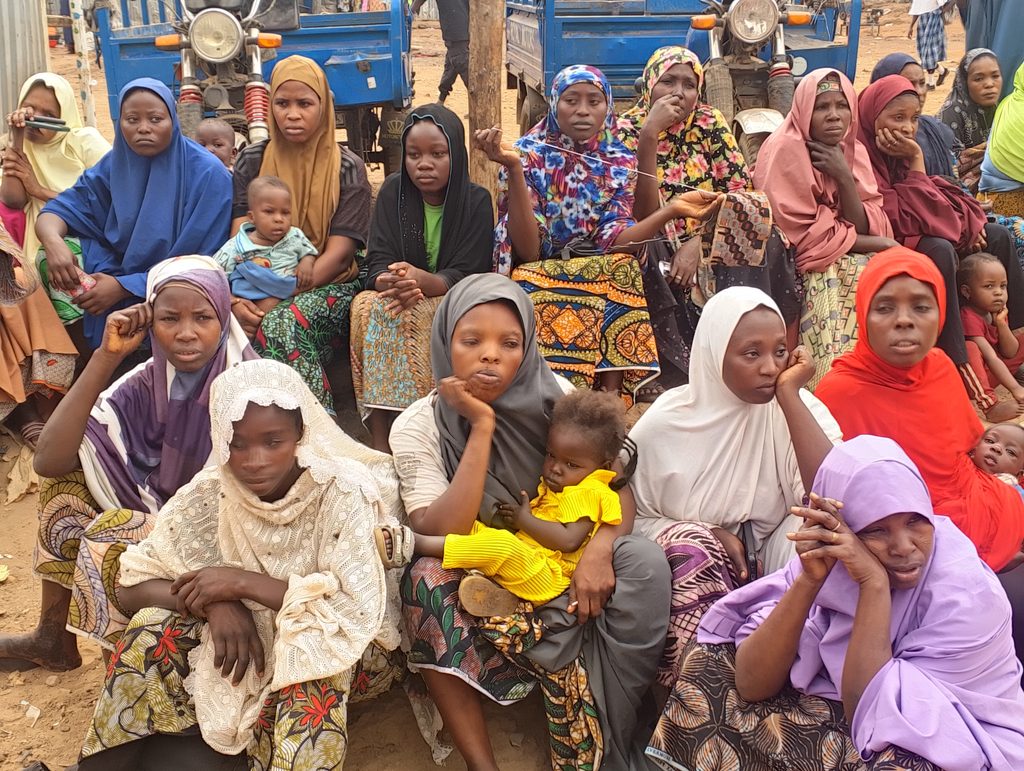
The experiences of women in displacement camps demonstrate how interconnected basic needs are. When a family cannot reliably afford food, recurring hygiene expenses become harder to manage. When accommodation is inadequate, maintaining privacy and menstrual hygiene becomes more difficult. When displacement disrupts livelihoods, families have fewer resources to address challenges independently. A coordinated response is essential. Food assistance should be complemented by nutrition education and livelihood support. Menstrual-health programmes need dependable supplies and sanitation. Shelter interventions must prioritise safety, privacy and pathways towards stability.
Theresa Moses is a Nigerian journalist and publisher focused on accountability journalism, women’s rights and social impact.
GATMASH NEWS
…News That Drives Impact
For advert placements and business inquiries, kindly reach us via:
📧 Email: [email protected]
📞 Tel/WhatsApp: +234 (0) 807 202 2024
We value your voice! Share your stories, eyewitness reports, and contributions with us anytime:
📲 SMS/WhatsApp: +234 (0) 807 202 2024
📧 Email: [email protected]
Visit us online: https://gatmash.com