

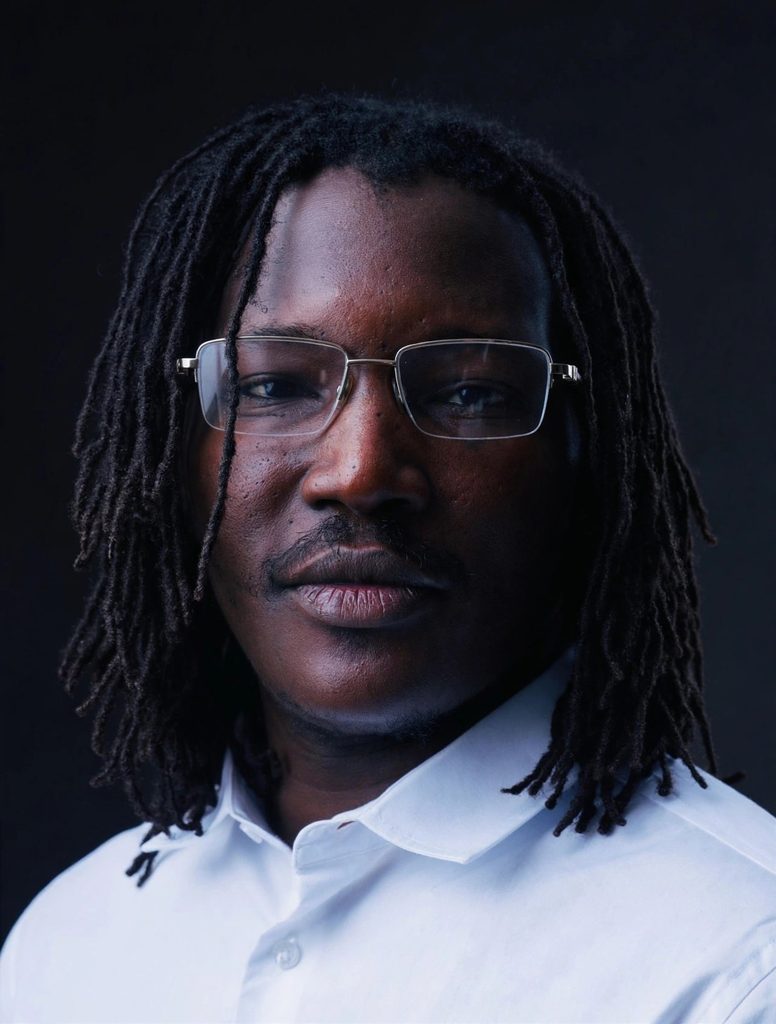
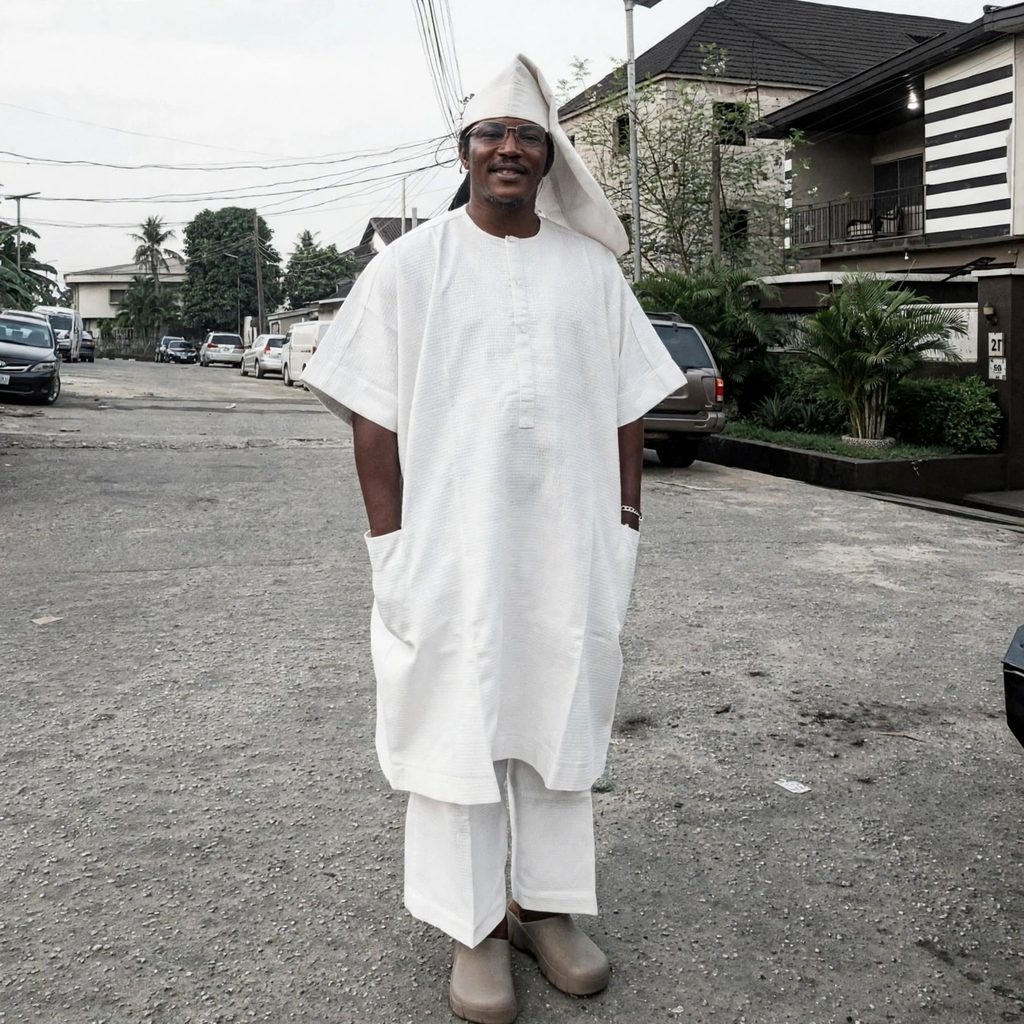
Ọpẹ́yẹmí Irédùmarè is not approaching the creative industry from the conventional perspective of entertainment, celebrity or talent management. As a legal practitioner with over 11 years of experience and Managing Partner and Co-founder of Technolawgical Partners, his work sits at the intersection of law, technology, intellectual property and cultural development.
His interests extend beyond the courtroom into the business of African creativity, food systems, cultural preservation and the use of technology to create sustainable economic opportunities.
In this exclusive interview with THERESA MOSES and OLUWATOSIN SIMON FALEYE, Irédùmarè explains why intellectual property should be treated as an economic asset, what must happen for Fuji music to reach a new generation of global audiences, why Nigeria’s entertainment industry needs a more inclusive structure and why artists must look beyond immediate fame to long-term financial security.
Q: You have described yourself as a cultural and food systems person. That is an interesting description, particularly for someone with a legal background. What exactly does it mean?

Ọpẹ́yẹmí Irédùmarè: I like to describe my work as being centered on cultural and food systems. The reason I am deeply involved in this area is that when people hear intellectual property, the first thing that comes to mind is artistic work.
However, intellectual property covers far more than music, films and artwork. It governs intangible assets that can generate value and become sources of income. For example, a food recipe, a brand name or the trademark of a restaurant can be intellectual property.
These are just as important as music, films, artwork or even pharmaceutical discoveries.
My work centres on how we can use African intellectual property, whether in music, film, food packaging, food franchises or pharmacology, to create products and systems that can compete globally.
People are talking about fufu, and some African food products are increasingly attracting global attention. These products have economic and cultural value. My calling is to see how we can transform these assets into large systems that create employment, provide jobs and give people sustainable careers.
Our celebrities grow old, and some eventually begin asking for financial assistance to pay hospital bills or take care of themselves. These are people who have served as custodians of our culture. Ideally, they should be able to transfer that cultural knowledge and value to the next generation while also enjoying financial security. We once had apprenticeship structures that supported this transfer of knowledge. However, some of those structures have weakened over time, partly because of the way we have embraced Western systems without adequately strengthening our own. We need a system that does not merely discover and train talent but also gives people sustainable careers and helps them earn well throughout their lives.
Q: Let us talk about Fuji music. What happened to the industry, and what needs to be done to preserve the genre and ensure that its legacy survives beyond its established stars?
Ọpẹ́yẹmí Irédùmarè: I think the first problem was perception, although that is gradually changing. There was a time when people regarded Fuji as local music that did not deserve global recognition. Some even associated its practitioners with violence and believed the genre was not sufficiently organised. But Fuji’s evolution did not happen by accident. It happened because people deliberately worked to protect its catalogues and bring them up to global standards.
For some of the Fuji artists we represent, we had to take down and reorganise their music catalogues.
There was a time when you searched for one artist online and ended up listening to another person’s music. The distribution systems were not properly organised, and the people handling the catalogues did not always understand the genre. We had to clean up those catalogues and upload the music again, including lyrics written in proper Yoruba. That is part of intellectual property protection: ensuring that the music is correctly identified, represented and accessible. Even the artwork on streaming platforms has improved. Fuji music is an evolving genre, and it is one of the valuable cultural assets Nigerians have developed.

Before Fuji, we had other traditional musical forms, including Wéré, Àpàlà and other indigenous genres. Some of them did not evolve in the same way Fuji did. Fuji has continued to evolve because it has been able to transcend certain cultural boundaries and incorporate different influences. If we want to preserve Fuji, we must understand and respect its history while creating opportunities for it to keep evolving.
Q: How would you describe the different generations of Fuji music, and what must happen for the next generation to rise?
Ọpẹ́yẹmí Irédùmarè: I see the first generation as the foundation laid by the progenitors of Fuji, particularly Sikiru Ayinde Barrister, who created a genre with a strong connection to society. His music was not just about entertainment. He addressed democracy, military rule, family, children, marriage, legacy and other important aspects of society. He was very deliberate about the social values his music communicated.
The next generation, including Wasiu Ayinde Marshal, popularly known as K1 De Ultimate, Pasuma and other established Fuji musicians, took the genre to another level. However, I believe the next generation needs a new ceiling to aspire to. The second generation has achieved considerable success, but the industry must create new possibilities beyond the standards already established. For example, young Fuji artists should be able to imagine careers that go beyond performing at political campaigns or becoming associated with influential politicians. They should be able to tour internationally, build strong brands, develop their catalogues and achieve commercial success on the global stage. There are emerging Fuji talents with impressive voices, composure and branding. They need an industry structure that allows them to grow. The established generation must help create that next level rather than allowing the genre to remain within the same limitations.
Q: There have been concerns about rivalry, violence and public disagreements among Fuji musicians. How can the industry move beyond this culture?
Ọpẹ́yẹmí Irédùmarè: There are things the practitioners themselves must address, and there are things government must do. The musicians need to create a new standard. They must move beyond unnecessary rivalry, violence and public attacks on one another. The culture surrounding the genre must become more professional.
Government also has a role, but government cannot simply keep giving money without a structure that supports the development of the industry. Creatives can contribute to society. They can teach, pay taxes, organise events and transfer their skills to younger people. But for government to participate meaningfully, the practitioners must build systems that government can support. It cannot always be government giving money without a sustainable structure that allows the industry to generate value and return benefits to society.
Q: Nigerian audiences sometimes celebrate artists only after they become internationally recognised. We see this in football, music and other creative fields. Why do you think we struggle to celebrate our own people early enough?
Ọpẹ́yẹmí Irédùmarè: I think it is largely a problem of perception and the way we approach collective interests. Nigeria is gradually moving away from a self-serving system, but we still have a long way to go. People often do not celebrate someone until they believe they can benefit from that person’s success. We struggle to balance individual interests with collective interests. There is nothing wrong with pursuing personal success, but we must understand when collective development is more important. The truth should be bigger than everybody in the room. Unfortunately, in many situations, the person in the room becomes bigger than the truth.
Look at some of our awards. We do not always know who the judges are, how the selection process works or who is responsible for the decisions. An award may have been built and controlled by a particular organisation or individual, but when it is time to develop the industry, the same people expect everyone to take collective responsibility. That does not always work. Artists also understand these dynamics.
Sometimes, when you invite an established musician to an award ceremony, the person may not consider the award meaningful because the organisation has not demonstrated a consistent commitment to supporting the creative community.
It is not enough to wait until an artist becomes successful and then invite that person to receive an award. What have you done to support the artist before that success? Have you organised training, created opportunities, helped develop the industry or provided platforms for emerging talents? International awards may recognise Nigerian artists because their music has become popular and achieved global reach. We should also learn to recognise and support our people based on the value they are creating, not simply because they have been celebrated abroad.
Q: You have repeatedly emphasised the importance of systems. What exactly is missing from Nigeria’s entertainment industry?
Ọpẹ́yẹmí Irédùmarè: My position is simple: no amount of intervention can fix an unknown system. Intervention works with a system. You cannot keep introducing interventions when the structure that should support the industry is not properly organised.
We should not pretend that Nigeria has no entertainment system. We have one. Fuji music, for example, has an established apprenticeship structure. There is hardly any Fuji artist who has not passed through some form of apprenticeship or an existing Fuji network.
That is a system. The problem is that the system has not been formalised and upgraded to ensure that every participant can benefit economically.
Currently, the structure largely serves a few categories of people: those working in government, very successful artists and people who work directly with those successful artists. It does not adequately serve journalists, independent artists, media practitioners, lawyers, book publishers, advertisers and other professionals who contribute to the industry. We need to widen the opportunities so that everyone can participate and earn from the value they create. Why must everybody come to Lagos? It is because people believe the playing field offers opportunities. The same principle should apply within the entertainment industry. A talented person should be able to find opportunities regardless of where they come from or who they know.
Instead of immediately talking about building thousands of large entertainment venues, why not start with smaller, functional spaces?
Imagine having 200-capacity venues across local governments in Lagos State. Such spaces could serve comedians, musicians, actors and other creative professionals. We have thousands of comedians, for example, but where are the properly developed comedy clubs and performance spaces? Building a sustainable creative economy requires infrastructure that serves people at different stages of their careers, not just established superstars.
Q: You also mentioned the role of music distribution and the history of Alaba Market. What lessons should the industry learn from that experience?
Ọpẹ́yẹmí Irédùmarè: We need to understand how the industry actually developed instead of simply repeating the popular narratives.
Alaba was an important centre of music distribution. There were legal distributors, informal distributors and different business relationships within the market. Some of the activities that were publicly described as piracy were also connected to complicated distribution relationships.There were arrangements in which legal distributors and other distributors operated across different territories. Some of the informal players eventually became commercially powerful. The important lesson is that these systems were driven by people and business interests. They were not simply random activities. If we want to address the problems in music distribution, we must understand the economic structures that created them.
I have personally been involved in battles over music rights and distribution with different players in the industry. These experiences have shown me that the problem is deeper than simply condemning one group of people. We must build a transparent system in which intellectual property owners, distributors and other industry participants understand their rights and responsibilities. The industry cannot continue operating through small, disconnected groups that serve only their own interests.
Q: There is an ongoing conversation about the visibility of musicians from different parts of Nigeria, particularly the perception that Southern Nigerian artists are enjoying greater commercial success. How do you explain this?
Ọpẹ́yẹmí Irédùmarè: I think people are sometimes looking at the issue from the wrong perspective.The reason some regions appear to have greater visibility in the music market is largely economic.
People who have more disposable income are more likely to pay for music, subscribe to streaming platforms, attend shows and support artists commercially. When you examine the places generating significant music consumption in Nigeria, you will find cities such as Lagos, Ibadan, Port Harcourt, Abuja and Abeokuta.
A lot of the commercial activity is concentrated in places where people have greater purchasing power. So, it is not necessarily an ethnic issue. It is an economic issue.
Artists are responding to where the money and audience are.
That is also one reason why musicians from different parts of Nigeria are increasingly incorporating Yoruba into their songs. They are trying to reach an audience with strong purchasing power and a large diaspora presence. If another region develops a stronger commercial market for music, artists will naturally want to reach that audience too. People want to survive. They will go where the opportunities are. We should therefore be careful not to turn an economic issue into an ethnic argument.
Q: You also referred to the development of the film industry and the investments made by different generations. What can the music industry learn from that history?
Ọpẹ́yẹmí Irédùmarè: Every generation must build on what the previous generation has achieved. In the Nigerian film industry, we have seen different stages of development, from travelling theatre and television productions to home videos, film studios and newer distribution platforms.
People invested resources, took risks and developed structures that the next generation could build upon. Today, we are seeing filmmakers establish film villages, build studios and develop video-on-demand platforms. That is how industries grow. One generation creates something, and the next generation improves on it. You cannot build a better future without investing in the present.
Sometimes, people make money from the creative industry but do not reinvest enough of it into the infrastructure that will sustain the sector. I am not saying that anyone is wrong for enjoying the money they have earned. But if we want the industry to grow, there must be people willing to invest in structures that will outlive them. Those who build today create opportunities for the next generation to build something even bigger.
Q: What is your advice to emerging artists who want to make a name for themselves in the entertainment industry?
Ọpẹ́yẹmí Irédùmarè: My first advice is that they should take education seriously. There is a dangerous narrative that education is a scam. People see celebrities becoming successful and assume that talent alone is enough. That is not true. Education does not necessarily mean attending a university. It could be technical education, a school of arts, professional training or apprenticeship. But you must learn.Talent and education serve different purposes. Talent may give you an opportunity, but education helps shape your personality, decision-making, exposure and ability to manage success.
When you become successful, you will face challenges that talent alone cannot solve. You must understand how to manage money, relationships, business decisions and the responsibilities that come with influence. Without the right knowledge and exposure, you may become successful but struggle to sustain that success.
Some people lose money because they make poor financial decisions. Others allow unnecessary issues to affect their careers because they lack the maturity to manage them. Do not give yourself a big name without building the substance behind it. A name should represent something meaningful. You must continue developing yourself even when people begin to celebrate you.
Q: What about established artists and veterans who have already spent years building the industry. What should they be doing differently?
Ọpẹ́yẹmí Irédùmarè: Established artists must recognise that music alone is not enough to secure their future. They need to engage government and other stakeholders, not necessarily by fighting them but by having meaningful conversations about the structures that will support their careers and the wider industry. They should stop seeing government support only in terms of immediate cash payments. I understand that artists need money, but a proper system can create more sustainable opportunities.
For example, when government supports young athletes, it can create financial arrangements that help secure their future. We should ask why similar structures cannot be developed for artists. Why can’t we create systems that help musicians secure their financial future? Why can’t government make land available for artists to develop creative infrastructure? Why can’t there be funding arrangements that allow artists to access finance through their companies and use their music catalogues as assets? Why can’t we create programmes that prepare veteran artists to become teachers, cultural educators and mentors? These are ways to ensure that people who have contributed to our culture can continue to earn and remain relevant as they grow older. An artist should not have to wait until old age before society begins thinking about how to support them.
We need to build systems that recognise their contributions throughout their careers and protect their future.
Q: If you had the opportunity to change one thing about Nigeria’s creative industry, what would it be?
Ọpẹ́yẹmí Irédùmarè: I would focus on building a system that works for everybody, not just a few successful people. We need to move away from structures that are controlled by individuals or small groups and create opportunities that are accessible to all contributors.The creative industry is much bigger than the artists we see on stage. It includes journalists, lawyers, publishers, advertisers, distributors, technicians, event organisers and many others. Everybody contributes to the value chain. If we create a system that recognises and rewards these contributions, the industry will become stronger. We must also understand that our cultural assets are economic assets. Our music, food, languages, traditions and creative expressions can generate employment and create opportunities for people across the world. The responsibility is to protect them, develop them and ensure that the next generation inherits something stronger than what we have today.
GATMASH NEWS
…News That Drives Impact
For advert placements and business inquiries, kindly reach us via:
📧 Email: [email protected]
📞 Tel/WhatsApp: +234 (0) 807 202 2024
We value your voice! Share your stories, eyewitness reports, and contributions with us anytime:
📲 SMS/ WhatsApp: +234 (0) 807 202 2024
📧 Email: [email protected]
Visit us online: https://gatmash.com