
By Theresa Moses
As global attention intensifies around climate change and environmental degradation, leading corporations face the challenge of aligning profitability with sustainability. In Nigeria, Nestlé is leading this movement, integrating environmental responsibility into every aspect of its operations — from packaging and energy to water stewardship and waste recovery.
At the heart of Nestlé’s sustainability vision lies a commitment to a waste-free future. The company’s relaunch of NESCAFÉ 3-in-1 in design-for-recycling packaging represents a major step toward its global goal of 100% recyclable or reusable packaging by 2025. This initiative directly addresses Nigeria’s growing plastic pollution problem, where over 2.5 million tonnes of plastic waste are generated annually, yet less than 20% is recycled.
“Packaging innovation is more than product redesign,” said Jean-Pierre Duplan, Category Manager, Coffee, Nestlé Nigeria. “It’s about building a circular economy — one where materials are continuously reused and waste is minimized.”

Nestlé complements innovation with robust waste collection partnerships and consumer education programs, ensuring environmental consciousness extends from production lines to households. Collaborations with the Food and Beverage Recycling Alliance (FBRA) have reclaimed thousands of tonnes of used packaging materials across Nigeria, turning waste into resources.
Water conservation is another area of measurable impact. At its Agbara, Abaji, and Flowergate factories, advanced recycling systems reduce freshwater withdrawals. Community water projects provide clean drinking water to thousands, directly supporting UN SDG 6 — Clean Water and Sanitation.
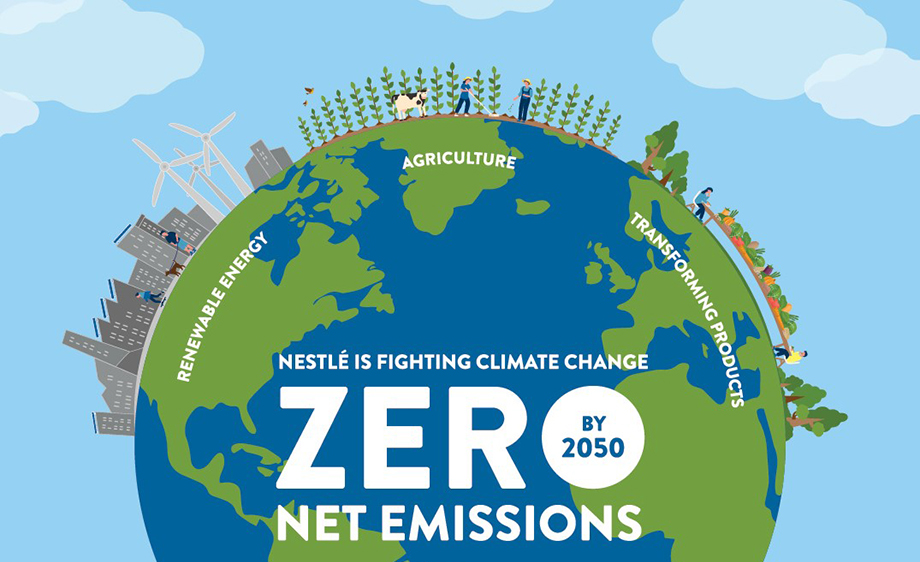
Energy transition also plays a crucial role. Nestlé has adopted biomass boilers powered by agricultural residues like cocoa husks and wood chips, cutting carbon emissions while supporting rural farmers. These clean energy solutions contribute toward the company’s global net-zero emissions target by 2050.
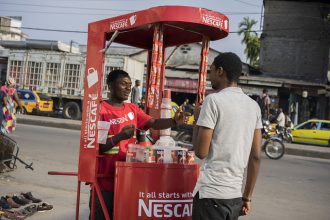
Equally inspiring is Nestlé’s focus on people. Through the Nestlé Empowering Rural Women Project, women become micro-distributors of Nestlé products, combining social inclusion with environmental impact. The MYOWBU (My Own Business) initiative trains young Nigerians to run sustainable mobile coffee businesses using eco-friendly practices and locally sourced inputs.
“Our mission is to unlock the power of food to enhance quality of life for everyone, today and for generations to come,” said Victoria Uwadoka. “That means ensuring our environmental and social impact aligns with the wellbeing of the planet.”
As Nigeria grapples with waste management, climate change, and water scarcity, Nestlé’s example proves that environmental sustainability is not a cost — it is an investment in shared prosperity, showing that corporate responsibility and community growth can go hand in hand.
GATMASH NEWS
…News That Drives Impact
For advert placements and business inquiries, kindly reach us via:
📧 Email: [email protected]
📞 Tel/WhatsApp: +234 (0) 807 202 2024
We value your voice! Share your stories, eyewitness reports, and contributions with us anytime:
📲 SMS/WhatsApp: +234 (0) 807 202 2024
📧 Email: [email protected]
Visit us online: https://www.gatmash.com