
- At NSACC April 2026 Breakfast Forum
By: Theresa Moses
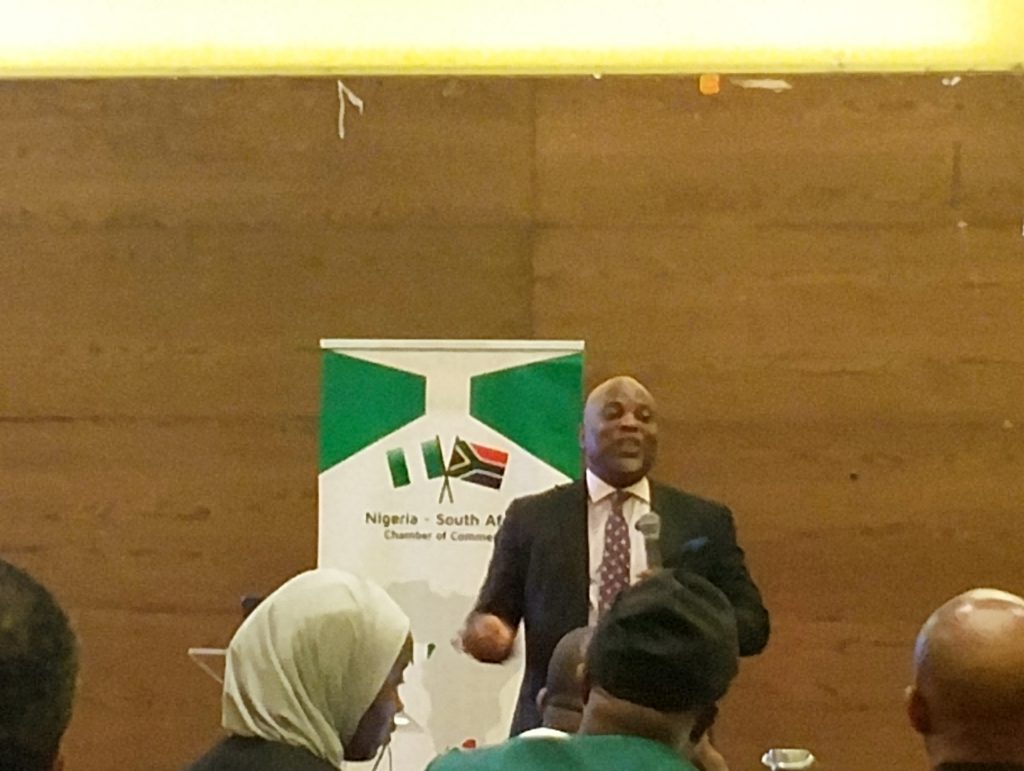
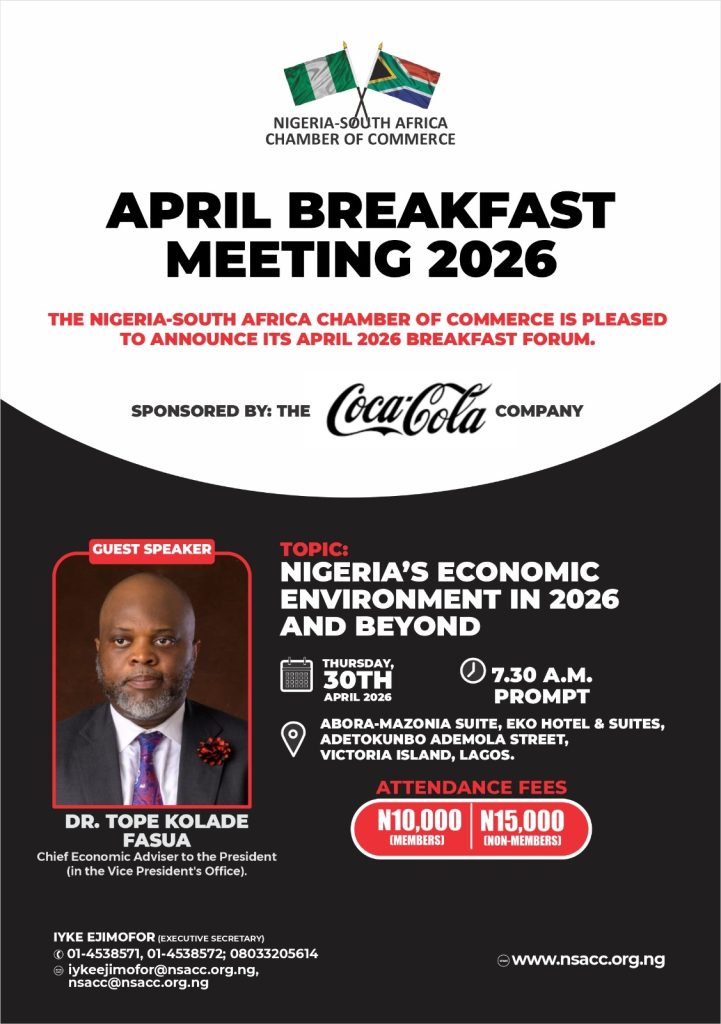
Nigeria’s economic trajectory, reform agenda, and the path to sustainable growth took centre stage at the April 2026 Breakfast Forum of the Nigeria-South Africa Chamber of Commerce (NSACC), held on Thursday, April 30th, 2026 at the Abora-Mazonia Suite, Eko Hotel & Suites, Victoria Island, Lagos sponsored by the Coca-Cola Company.
Themed “Nigeria’s Economic Environment in 2026 and Beyond,” the high-level session featured the Chief Economic Adviser to the President in the Office of the Vice President, Dr. Tope Kolade Fasua, as keynote speaker, alongside key stakeholders from the public and private sectors.
Delivering his keynote, Dr. Fasua underscored that Nigeria’s current economic reality is the result of deliberate reforms aimed at repositioning the country for long-term stability rather than short-term comfort.

According to him, the removal of fuel subsidy has saved Nigeria approximately $10 billion annually, while ongoing reforms in the petroleum sector; bolstered by local refining capacity, are reducing dependence on imports and positioning Nigeria as an emerging exporter of refined products.
He noted that these policy decisions, though challenging, are necessary steps toward economic sustainability.
“No government gets everything right, but it is important to confront issues head-on rather than keep postponing them,” he stated.
Dr. Fasua further highlighted improvements in Nigeria’s external reserves, which have grown significantly within a short period, as well as renewed confidence from international lenders and financial markets.
A major highlight of the address was the emphasis on infrastructure development as a cornerstone of economic growth. Dr. Fasua described the 2026 national budget as a “thinking budget,” noting that capital expenditure now accounts for nearly half of total spending, a shift aimed at driving tangible development.
He advocated for even larger budgets, stressing that Nigeria’s per capita budget remains significantly low compared to peer nations.
Beyond federal initiatives, he pointed out that state governments are increasingly playing a critical role, with many expanding their budgets and executing capital projects at unprecedented levels.
“Development happens closer to the people; at the state and local government levels,” he said, urging greater accountability and citizen engagement at sub-national tiers.
Contrary to widespread pessimism, the economic adviser argued that several sectors are showing resilience, particularly the corporate sector, where profitability has rebounded after periods of decline.
He emphasized that Nigeria’s economic narrative must shift from constant negativity to opportunity-driven thinking.
“There are people making money at the speed of light in Nigeria. The opportunities are real for those ready to identify and solve problems,” he noted.
He also identified key sectors with untapped potential, including education, healthcare, environmental services, and social infrastructure; areas he described as “good problems” capable of generating employment and driving inclusive growth.
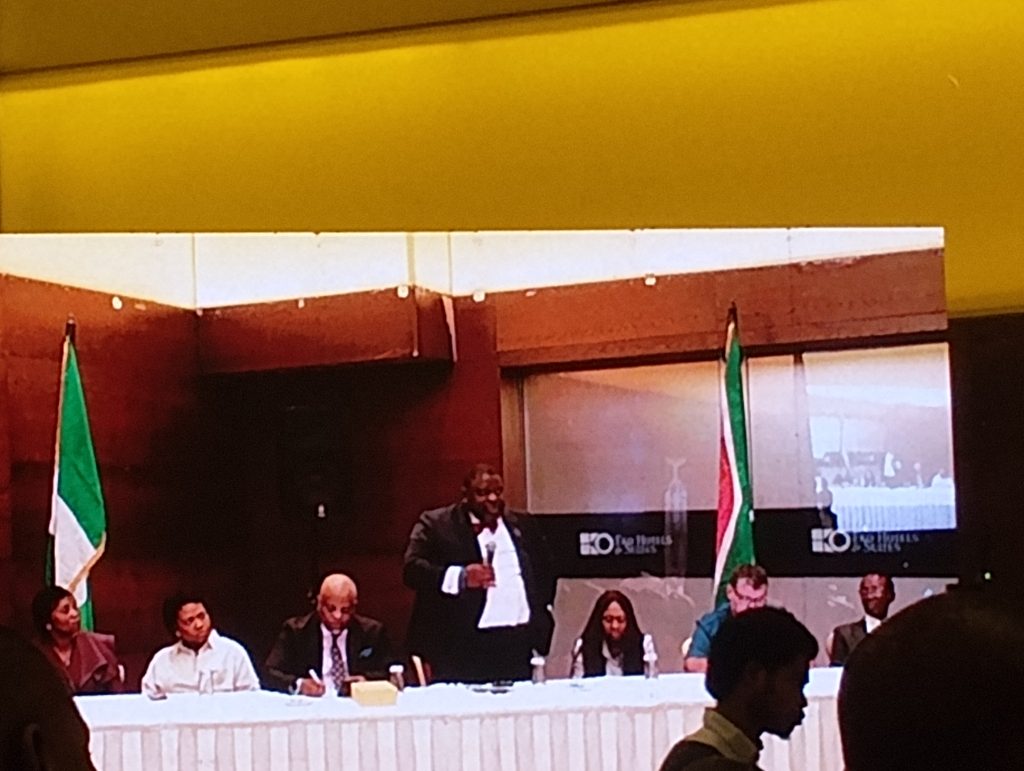
Responding to the keynote, the Vice Chairman of NSACC, Mr. Ajibola Olomola, acknowledged the progress made but stressed the need for stronger coordination across all levels of government.
He highlighted critical gaps in infrastructure; particularly road networks and rail systems, arguing that improved connectivity could unlock regional economic potential and enhance productivity.
“Sort out the industries and businesses, and the benefits will cascade. But there must be coordination and accountability,” he said, calling for measurable performance indicators (KPIs) for states and local governments.
Olomola also advocated for tying federal interventions to performance benchmarks to ensure more effective development outcomes nationwide.
In her goodwill message, Eniola Alli, Director of Public Affairs, Communications and Sustainability at Coca-Cola Nigeria, reaffirmed the company’s confidence in Nigeria’s economic future.

She described the ongoing reforms as complex but necessary, emphasizing the importance of policy consistency, transparency, and continuous dialogue between government and the private sector.
“Nigeria is at an inflection point. While reforms come with challenges, they are clearly aimed at building a more resilient and investment-friendly environment,” she stated.
Alli noted that Coca-Cola Nigeria remains committed to long-term investments in the country, extending beyond business operations to job creation, community development, and value chain expansion.
The forum concluded on an optimistic note, with stakeholders agreeing that while Nigeria’s economic journey remains challenging, the foundation for growth is being laid through reforms, increased private sector participation, and evolving governance structures.
Dr. Fasua summed it up succinctly: “The future looks promising. The question is, are we ready to work for it?”
GATMASH NEWS
…News That Drives Impact
For advert placements and business inquiries, kindly reach us via:
📧 Email: [email protected]
📞 Tel/WhatsApp: +234 (0) 807 202 2024
We value your voice! Share your stories, eyewitness reports, and contributions with us anytime:
📲 SMS/WhatsApp: +234 (0) 807 202 2024
📧 Email: [email protected]
Visit us online: https://gatmash.com