

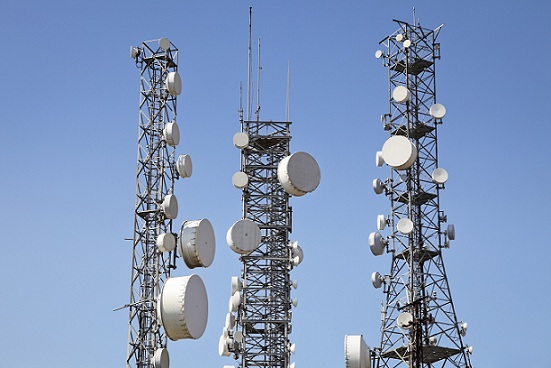
Nigerian telecom subscribers may soon be confronted with another increase in communication costs as the Nigerian Communications Commission (NCC) begins a review of Mobile Termination Rates (MTR), a move industry stakeholders say is necessary to reflect current economic realities.
However, the proposed review is already generating public backlash as millions of subscribers continue to endure poor network quality, dropped calls, unstable internet connectivity, delayed SMS delivery, and frequent service disruptions across the country.
The question many Nigerians are asking is simple: Why should consumers pay more for services that many believe are already underperforming?
The NCC recently convened stakeholders in Lagos to discuss a new framework for determining Mobile Termination Rates, the charges telecom operators pay one another for connecting calls across networks. While the review is largely a wholesale industry matter, experts acknowledge that any increase in underlying costs could eventually be reflected in what consumers pay for calls and messaging services.

Industry representatives argue that inflation, foreign exchange volatility, rising energy costs, and investments in newer technologies such as 5G have significantly increased operational expenses. Telecom operators insist that a cost-reflective pricing regime is necessary to sustain investment and improve network infrastructure.
Yet many subscribers remain unconvinced.
Across Nigeria, complaints about telecom services have become a daily reality. From business owners unable to complete transactions due to network outages to students struggling with unstable internet connections and families frustrated by poor call quality, the challenges continue to affect productivity and quality of life.
Consumers argue that before any discussion of increased tariffs, the focus should be on measurable improvements in service delivery.
For years, Nigerians have complained about situations where calls drop repeatedly within minutes, data subscriptions are depleted without corresponding usage, internet speeds fluctuate unpredictably, and customer complaints often remain unresolved for extended periods.
While operators cite challenges such as vandalism of infrastructure, multiple taxation, insecurity, and the high cost of operations, subscribers maintain that these explanations cannot replace quality service delivery.
Industry analysts believe the NCC now faces a critical credibility test.
As the regulator responsible for protecting consumer interests while ensuring industry sustainability, the Commission must demonstrate that any tariff review will be accompanied by stronger enforcement of Quality of Service (QoS) standards.
Many telecommunications regulators across advanced economies tie pricing approvals to strict performance indicators, requiring operators to meet service benchmarks before consumers are asked to bear additional financial burdens.
In Nigeria, however, many subscribers believe the opposite often occurs: prices increase while service quality remains largely unchanged.
The concern is not merely about affordability. It is also about accountability.
With inflation continuing to place enormous pressure on household incomes, many Nigerians are questioning whether another increase in communication costs is justified without visible improvements in network reliability and customer experience.
Stakeholders are therefore calling on the NCC to publish transparent service quality scorecards for all operators, enforce penalties for persistent service failures, and ensure that consumers receive value for money before any additional financial burden is imposed.
Telecommunications remains a critical pillar of Nigeria’s digital economy. It powers banking transactions, education, healthcare delivery, government services, commerce, and communication for millions of citizens.
For that reason, experts say the debate should not be limited to tariffs alone.
The real issue is whether Nigerians will receive better services in exchange for any increase in costs.
Until that question is convincingly answered, public resistance to higher telecom charges is likely to persist.
For many subscribers, the message to the NCC and telecom operators is becoming increasingly clear: fix the network before increasing the bills.
Nigerians are not demanding luxury services; they are demanding reliable communication for which they already pay. At a time when households and businesses are struggling with rising costs, any attempt to introduce additional telecom charges without corresponding improvements in service quality risks deepening public frustration and eroding confidence in the regulatory system.
The NCC now stands at a crossroads. It can either reassure Nigerians through transparency, accountability, and stricter enforcement of service standards, or face growing criticism from consumers who believe they are being asked to pay more for less.
The burden is no longer on subscribers to justify their complaints. The burden is on operators and regulators to prove that every additional naira charged will translate into better service, stronger networks, and a more reliable digital future for Nigeria.
GATMASH NEWS
…News That Drives Impact
For advert placements and business inquiries, kindly reach us via:
📧 Email: [email protected]
📞 Tel/WhatsApp: +234 (0) 807 202 2024
We value your voice! Share your stories, eyewitness reports, and contributions with us anytime:
📲 SMS/WhatsApp: +234 (0) 807 202 2024
📧 Email: [email protected]
Visit us online: https://gatmash.com